Get Full Government Meeting Transcripts, Videos, & Alerts Forever!
Get email alerts on the School Facilities topic
No spam. Unsubscribe anytime.
Board hears case to spend about $300,000 to shore up Miss Tuxen slab, asks for cost and insurance analysis
Summary
Stonington officials debated whether to spend roughly $300,000 to repair a failing second-floor slab at the Miss Tuxen school to keep special-education programs in town, or to defer repairs while a building committee pursues a longer-term facilities plan; the board asked the school to provide a cost comparison and to consult the town insurance carrier before deciding.
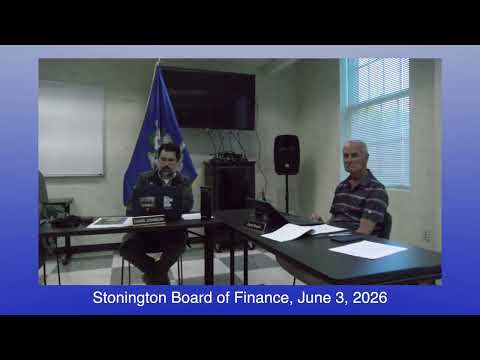
Acting Superintendent Tim told the Board of Finance on Wednesday that the Miss Tuxen building currently houses district offices and two specialized student programs and that a roughly 60‑foot zone of the second‑floor concrete slab is deteriorating. Tim said engineers from Fuss & O'Neal have advised monitoring the slab and that an earlier contractor bid to repair the slab came in around $300,000.
The board’s discussion centered on the trade-off between paying for a targeted slab repair that would allow the district to continue operating its annex and transition programs locally and deferring spending because the building has other, deeper foundation issues estimated separately at roughly $1.5 million. Tim said keeping the two student programs in town saves the municipality money because outplacing students with specialized needs can cost tens of thousands of dollars per pupil.
Members repeatedly asked for more concrete numbers. Several board members requested a simple spreadsheet comparing (a) the district’s current annual cost for the two programs operated in Miss Tuxen against (b) projected costs if the programs were outplaced to private providers, to show the net savings — and whether that savings justifies a one‑time $300,000 repair. The board also asked the superintendent to supply a labeled floor plan showing which rooms are in active use and which are being used for storage.
Insurance and liability also shaped the debate. Members asked whether the town’s insurance carrier has been fully informed and whether the insurer would accept continued occupancy under the current monitoring regime recommended by Fuss & O'Neal; some members suggested a second engineering opinion if the carrier requires additional assurances. Tim said Fuss & O'Neal recommended biannual monitoring rather than annual checks, and that the firm believes the foundation movement could continue for many years but that the slab repair would address the immediate 60‑foot failure zone.
The board did not vote on repairs Wednesday. Instead members asked the school administration and the director of finance to provide: a) the comparative cost spreadsheet that shows the delta if programs were outplaced, b) a floor plan indicating current use and storage that could be cleared, c) any written guidance or sign‑off from the town’s insurer regarding current occupancy, and d) estimates and timeline for performing the slab repair should the board decide to proceed. The board indicated willingness to call a special meeting if the new information justified an expedited decision.
The matter remains unresolved: members accepted the administration’s request to pursue additional documentation but did not authorize expenditure that night.