Get Full Government Meeting Transcripts, Videos, & Alerts Forever!
Get email alerts on the School Finance Referendum topic
No spam. Unsubscribe anytime.
Morris School District seeks $158.4 million referendum to renovate auditoriums, replace pool and upgrade schools
Summary
Morris School District officials asked Morristown and Morris Township voters to approve a $158.4 million bond referendum to fund auditorium restorations, a full pool replacement, HVAC and classroom renovations across district buildings; officials estimate roughly $38–$41 per month for average assessed homes.
At a community presentation, Morris School District officials outlined a proposed $158.4 million bond referendum that would pay for auditorium restorations, a full replacement of the high school pool, HVAC and electrical upgrades, classroom additions and other building repairs across the district.
Dr. Mucci opened the meeting by emphasizing the auditorium’s history and its role in student theater programs, saying the space is “beautiful, but it certainly could use some TLC.” Anthony Lefranco, the district’s business administrator, told attendees that a bond referendum is the mechanism by which the district can borrow for major capital projects, and that work would be completed over an estimated three- to five-year period and repaid over roughly 20 years.
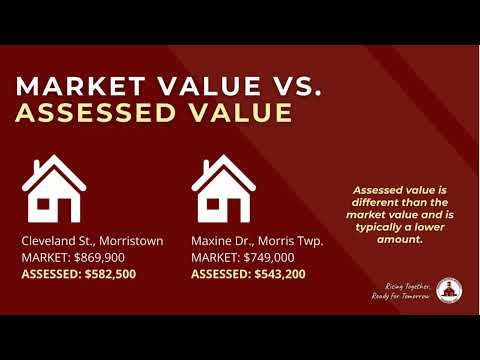
Lefranco said the total project cost is $158.4 million, and that the state has committed $46.4 million, leaving about $112 million to be financed by local taxpayers if voters approve the measure. To illustrate homeowner impact, he gave two sample properties and said the average assessed home in Morristown would see an estimated increase of about $38 per month and the average assessed home in Morris Township about $41 per month; he also pointed listeners to a calculator posted on the district website for property-specific estimates.
The referendum would fund a mix of preservation and modern upgrades: restoration and production upgrades to the high school auditorium (including updated seating, lighting, a relocated sound booth and treatments to reveal historic woodwork), a complete replacement and renovation of the aging pool and associated locker and spectator areas, a one‑third cafeteria expansion to serve more students and added exterior restrooms for outdoor sports, and conversion of the current media and guidance spaces into a consolidated student and career center.
Larger capital work would also include a classroom addition at Freeland Heisen Middle School (eliminating the need for temporary trailers used for world language classes), replacement of boiler and steam systems (converting several buildings to hot-water systems), wide-ranging bathroom renovations, roof replacements, electrical and fire‑alarm upgrades, and installation of air conditioning throughout classrooms and occupied spaces. Lefranco said some buildings require extensive work because original parts are no longer manufactured.
Lefranco described scheduling constraints and construction sequencing: many projects will be staged over summers and school-year second shifts, and the district plans to work with architects and stakeholders to develop specific phasing once a referendum passes. On the timeline question, he said the overall program would likely take three to five years to complete.
Officials also reviewed voter deadlines and outreach: voter registration is due August 25; vote‑by‑mail applications are due September 8 (and must be received by the county clerk by 3 p.m. on September 14); and in‑person voting is scheduled for September 15. The district is promoting information via a dedicated referendum website, social media, email opt‑in lists, presentations to senior groups and library events, alumni outreach (noted as “Colonial Nation”) and a forthcoming podcast appearance to broaden awareness beyond families with children in the schools.
The presentation closed with a question-and-answer session and an invitation for attendees to review project posters and speak one‑on‑one with staff. The district said more detailed project renderings, financial steps and links to the tax‑impact calculator are available on its website.