Get Full Government Meeting Transcripts, Videos, & Alerts Forever!
Get email alerts on the Opportunity Zones topic
No spam. Unsubscribe anytime.
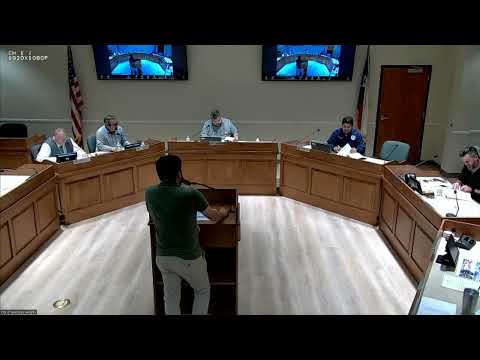
Balcones Heights EDC discusses Opportunity Zones 2.0, asks staff to explore state-level advocacy
Summary
The Balcones Heights Economic Development Corporation briefed members on the Opportunity Zones 2.0 process, discussed Bear County’s wide nomination approach and the political nature of final selections, and asked staff and counsel to investigate options (including potential lobbyist support) to improve the city’s chances; no formal action was taken.
The Balcones Heights Economic Development Corporation on Monday discussed its application for the federal Opportunity Zones 2.0 program and asked staff to return with recommendations on whether to pursue outside assistance to promote the city’s nomination in Austin.
The chair said the city has submitted an application and coordinated with the governor’s office, but warned that final selections are likely to be political: “our app is already in the governor’s office. Okay. we submitted directly,” the chair said, explaining that decisions about which tracts are advanced will be made in Austin and by state-level actors.
Why it matters: an Opportunity Zone designation offers tax incentives and attracts patient capital that local leaders say could support large redevelopment projects and catalytic investments in Balcones Heights. Treasury’s April 8 master list identifies eligible tracts; state nomination windows and the governor’s selection process mean local advocacy could affect outcomes.
Board members described recent notices that Bear County planned to nominate the vast majority of eligible tracts in the county, a move members said could dilute Balcones Heights’ chance of selection. One member urged the board to designate a point person to evaluate costs and contacts for lobbying or outreach: “there should be a point person to figure out contact different lobbyists to see what it would cost,” the committee member said.
Legal counsel advised that staff can gather information and that asking the city attorney or council to produce a recommendation does not, by itself, require a formal vote. The chair asked Mr. Hyde to look into options and provide a timeline-sensitive briefing so the EDC could consider a special meeting if needed to authorize expenditures.
Key timeline and next steps discussed by the board: Treasury will announce selections later this year, and designations would take effect Jan. 1, 2027. Board members were asked to provide cost estimates and possible contacts to the city council so the council could consider any required expenditure at its next meeting; staff noted state and governor’s office deadlines in the coming weeks.
No formal vote was taken on hiring a lobbyist or authorizing expenditures during the meeting; the board directed staff to return with options and cost estimates for consideration.