Get Full Government Meeting Transcripts, Videos, & Alerts Forever!
Get email alerts on the Edtech Screens Ai topic
No spam. Unsubscribe anytime.
Parents urge Weston School District to curb classroom screen and AI use
Summary
Multiple parents at the Weston Board of Education public comment period urged the district to reduce daily classroom device use and delay classroom AI tools, citing neuroscience research, district software spending and calls from national organizations to protect early‑grade learning.
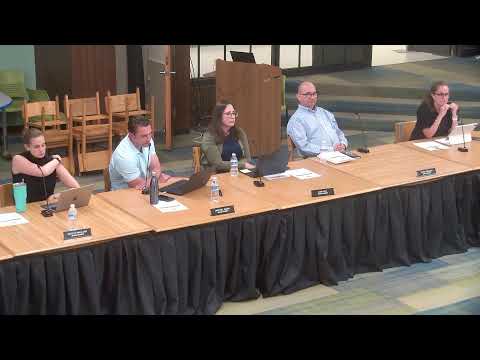
At the Weston Board of Education meeting, a string of parents urged district leaders to sharply reduce routine classroom device use and to limit or pause classroom AI tools until their educational effects are clear.
Anna Hafner, a parent of a first‑ and third‑grader, told the board she spent 17 years in leadership roles at Google and urged officials to "take a look" at research showing more classroom tech can correlate with lower test scores and more off‑task behavior. "Most of the Silicon Valley executives I know keep their kids really far from screens," she said, and recommended the board review the district's software budget and reduce one‑to‑one device programs.
Other parents echoed that view. Ruben Wyven said he was "not anti‑technology" but asked the board to "review its screen and AI usage grade by grade, establish a screen‑free core curriculum for the earliest grades, and seek educational justification for any digital tools used, barring accessibility exemptions." Hillilary Cole cited recent commentary and studies and argued "AI should not have a place in our classrooms until it has been proven not only safe but superior for outcomes." Gus Christensen, who noted prior success with a bell‑to‑bell smartphone ban, said parents may organize over the summer to refuse Chromebooks for their children if the district does not change course.
Speakers cited national and academic guidance — mentioning a 10‑point plan by the American Federation of Teachers and a U.S. Surgeon General advisory recommending protected screen‑free time — and asked the board to scrutinize subscriptions to programs such as Symphony Math, Gimkit and BrainPOP. "This isn't just anecdotal," Hafner said, pointing to what she described as a large body of research and urging the board to "significantly reduce edtech and one‑to‑one device use across the district."
Board members did not respond substantively during the public comment period, reiterating the district practice that the board typically does not engage during public comment. The board noted staff has met with parents and will continue to do so over the summer to consider next steps and options for curriculum and device use.
The public comment segment closed with parents asking for concrete follow‑up; the board and administration signaled ongoing meetings between staff and parent groups over the summer.