Get Full Government Meeting Transcripts, Videos, & Alerts Forever!
Get email alerts on the Budget Staffing topic
No spam. Unsubscribe anytime.
Parents urge Twin Valley School District to preserve music, library and special-area teachers as district cites $6 million shortfall
Summary
Several parents told the Twin Valley School District board that proposed staffing changes — including sharing or eliminating elementary special-area positions — would harm student experiences, particularly in music and library, as the district said it faces an approximate $6 million deficit and plans to use attrition and shared staffing models to cut costs.
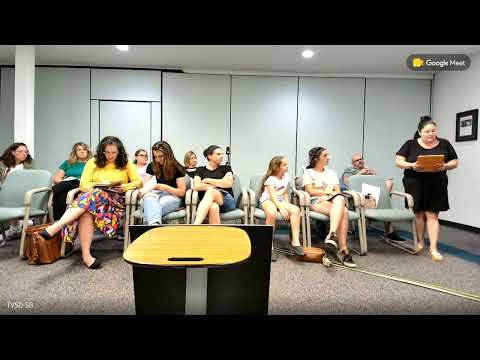
Dozens of parents and community members urged the Twin Valley School District board on June 15 to retain elementary music teachers, librarians and other special-area staff as the district outlines staffing changes to close a projected budget gap.
At public comment, Erie Garrett said rumors that the district would eliminate dedicated special-area teachers in favor of rotating staff across buildings would “seriously detract from the student experience” by reducing teachers’ prep time and increasing burnout. Garrett said families deserved “to see a real logistical plan” for how such a rotation would work day to day.
Lisa Born, who described herself as a professional violinist and music educator, told trustees she feared consolidating music positions would force larger group lessons and slow student progress. “The progress of the students will slow down with larger groups,” Born said, urging the district to consider hiring a teacher with both general-music and string experience rather than eliminating local positions.
Elizabeth Austin, who identified herself as a district taxpayer and supporter of the music program, acknowledged difficult financial choices but asked why some schools appeared to bear a larger share of personnel reductions. “These decisions you make today will not just affect next year’s budget, they will affect the district’s culture, the rankings, the reputation, and the school profile for years to come,” Austin said, offering to volunteer her time to lessen impacts on students.
A separate public commenter, Elizabeth Russ, asked the board to include affected community members in any conversation about the district mascot, expressing concern that stereotypical imagery could make some students and families feel excluded.
District staff responded with a prepared statement explaining the budget context that prompted the staffing proposals. The statement said the district faced an approximate $6 million deficit in the 2026–27 budget process; approving the maximum allowable tax increase would have generated about $1.8 million, leaving more than $4 million to find in savings. Administration cited a 17% enrollment decline over the past 10 years, said staffing adjustments were informed by enrollment trends and comparisons with neighboring districts, and described shared specialists and attrition as tools used to reduce personnel costs while minimizing layoffs.
The board did not vote to eliminate positions during the public-comment period; later in the meeting trustees adopted the district’s 2026–27 budget and related finance items (see separate votes summary). Board members and administrators said they would continue to hear community input as budget planning and staffing assignments move forward.
The board’s next steps include implementation of the adopted 2026–27 budget and continued communications with families; additional details about specific staffing assignments and the final implementation timeline were not provided in the meeting record.