Get Full Government Meeting Transcripts, Videos, & Alerts Forever!
Get email alerts on the Housing Affordability topic
No spam. Unsubscribe anytime.
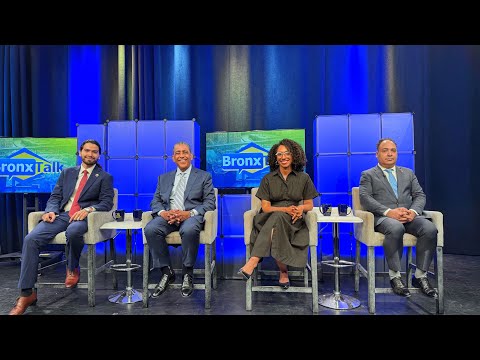
Housing and affordability take center stage in Bronx primary debate
Summary
Candidates outlined competing plans for deeply affordable housing, NYCHA investment and local redevelopment projects such as the Kingsbridge Armory and Inwood rail yards — clashing over who best defends tenants and which funding sources should be used.
Housing affordability was a sustained focus at the Bronx Talk forum, with candidates offering distinct approaches to building deeply affordable units, rescuing NYCHA and limiting displacement.
Incumbent Rep. Adriano Espaillat proposed using federal resources to finance large-scale projects and identified the Inwood rail yards as a potential site for thousands of deeply affordable units. "You can build thousands of unit of deeply affordable housing," Espaillat said, and added that funding could be repurposed from federal priorities he opposed.
Avila Chevalier emphasized renters' lived experience and criticized candidates who accept money from real-estate-aligned interests: "When someone is taking over $250,000 from the very corporate real estate lobbies that are pricing us out of the city, one should wonder how they will fight for us," she said. Theo-Chino Tavares offered a contrasting affordability benchmark and accused prior development efforts of producing corruption and displacement.
Candidates also discussed the Kingsbridge Armory redevelopment: Espaillat described it as a transformational project expected to produce hundreds of jobs and about 600 deeply affordable units and to include union training and affordable commercial space; others raised concerns about litigation and nonprofit landlord practices affecting tenants.
Why it matters: With roughly 88% of the district renting, housing policy is central to voters' day-to-day stability. Candidates proposed competing mixes of federal funding, local redevelopment and oversight to protect tenants.
The debate did not yield binding commitments beyond campaign promises, but it clarified differences that voters will weigh on June 23.