Get Full Government Meeting Transcripts, Videos, & Alerts Forever!
Get email alerts on the Communications topic
No spam. Unsubscribe anytime.
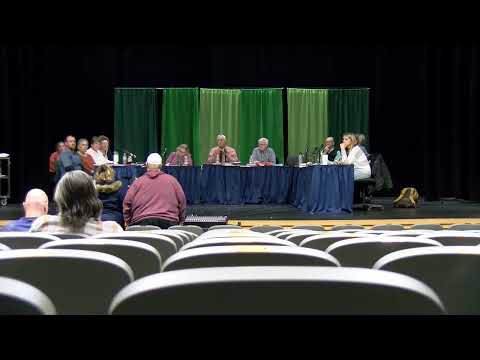
RSU 03 board debates a new Facebook page and votes 7–2 to defeat the proposal
Summary
After a lengthy debate about whether a one-way school-board Facebook page would improve outreach, the RSU 03 board voted 2–7 against authorizing the communications committee and superintendent to create and manage the page, and asked for a more specific proposal.
The RSU 03 school board debated a proposal to authorize the communications committee, in collaboration with the superintendent, to create and manage a one-way school-board Facebook page intended to reach residents who do not use the district website or existing channels. After more than an hour of discussion weighing outreach benefits against concerns about moderation and platform reach, the motion failed on a recorded vote (two in favor, seven opposed).
Supporters said a tightly moderated, one-way page could reach more residents and be managed in coordination with existing school and administrative accounts. "If we're going to try to put information out to the community like they've asked us to do, I feel that we need to find a way to do that," one proponent said, adding the page would be for board-specific announcements and run through administration.
Opponents warned that Facebook is a polarizing platform and questioned whether it would effectively reach target demographics. "Facebook is a dangerous place to communicate stuff," one board member said, arguing the district should not invite divisive commentary or create extra administrative work. Several board members suggested alternatives and asked the communications committee to provide a more detailed plan on what would be posted, how administration would review content, and whether other platforms might be better.
The board discussed existing tools in use: Thrillshare (district messaging), school-specific Facebook pages, newsletters and the district website. Administrators said posts would be curated and could be one-way (no public comments), and that existing school pages already route posts through administration. Several members urged the communications committee to survey communities about preferred channels and return with a narrower proposal that specifies content, moderation and staffing.
Vote and next steps: The motion to authorize the committee and superintendent to create/manage the page was defeated (two in favor, seven opposed). The communications committee agreed to gather more information — including sample content, staffing plans, moderation rules and alternatives — and to return with a more detailed proposal for the board to consider.
Why it matters: Board communication channels affect civic engagement, turnout for budget and closure discussions and how quickly families receive critical information about schedules, closures and services. The debate highlighted the tension between expanding outreach and the workload and reputational risks that come with social-media platforms.