Get Full Government Meeting Transcripts, Videos, & Alerts Forever!
Get email alerts on the Board Governance topic
No spam. Unsubscribe anytime.
RSU 24 board grants nepotism-policy exception for teacher connected to board member after extended debate
Summary
The RSU 24 school board voted to grant an exception to its nepotism policy so a teacher who is a board member’s sister may remain employed; the move prompted an extended discussion about timing, transparency and whether the board policy should be aligned with state law.
The RSU 24 school board voted to grant an exception to policy BCC (nepotism) after members debated whether a board member’s family tie to a current employee required an exemption.
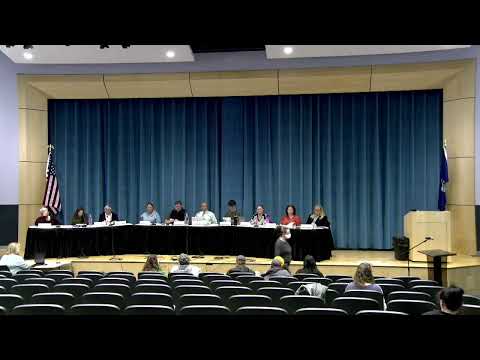
The board discussed the situation in open session after a trustee reported that board member Katie Garnett’s sister, Stacy, is employed at Ella Lewis School. Board members who supported the exception said the employee was hired before Garnett joined the board and argued that the policy itself provides an exemption process. Those pressing for delay or further review questioned why the exception was being sought months after the policy was reviewed in September and raised concerns about transparency and the appearance of favoritism.
The motion to move directly to a vote (to “move the question”) carried and the board then voted to grant the exception; Katie Garnett refrained from the vote. The chair asked the policy committee to revisit BCC to determine whether the board’s nepotism standard should be narrowed to match state statute, which officials said refers only to spouses.
Board members in opposition said the timing—seeking an exemption months after the policy review—heightened public perceptions of impropriety and suggested the board should have addressed the matter earlier. Supporters said there was no evidence the board member had directly supervised or otherwise had administrative influence over the employee’s evaluations or personnel decisions and that the exception process was designed for cases like this.
The board handled the matter in public session after legal counsel advised that because the discussion did not concern specific allegations of employee performance, it did not require an executive session. The chair reiterated a request that the policy committee return to the board with revised language or a recommendation on whether the district policy should be aligned with state law.
The vote resolves the immediate personnel-status question but leaves a policy review and potential revisions for a future meeting.