Get Full Government Meeting Transcripts, Videos, & Alerts Forever!
Get email alerts on the Public Records topic
No spam. Unsubscribe anytime.
Brooklyn council authorizes fees for redacting police video; law director to update public records policy
Summary
The Brooklyn City Council adopted Resolution 2025-18 to allow the city to charge for staff time spent redacting law-enforcement video records, with the law director tasked to write the policy details; council members said the police chief will have discretion to exempt certain requesters, including involved parties and local media.
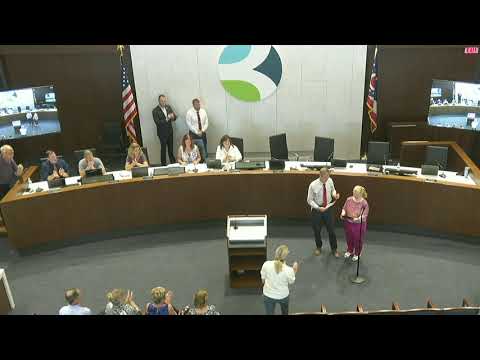
The Brooklyn City Council voted unanimously to authorize its law director to update the city’s public records policy to allow the city to charge for the actual cost of producing and redacting law-enforcement video records.
Council President said the new policy reflects a recent change in state law and acknowledged the time-consuming nature of redaction work. “We have had an uptick in requests for the videos from the police body cams and a lot of these requests are from entities that monetize it,” the Council President said, noting the city discussed a fee range the state statute permits of about $75 up to $750 depending on the actual time spent redacting.
The council agreed the policy should include discretion for the police chief to exempt certain requestors. The Council President said the exemptions would likely cover “involved parties, residents, the local media, … defense attorneys, insurance companies and anyone relating to a subpoena.” The law director will draft the formal policy language over the summer and council staff said they will meet to finalize the details before formal adoption.
The item had been raised in committee, where members said they had questions and took no formal committee position before the council considered it. Council members framed the change as a way to recoup staff time spent on heavy redaction workloads rather than to restrict access.
The resolution was introduced on first reading with a request to suspend the rules and then adopted by unanimous roll-call vote. The council also discussed the broader context of body-worn-camera requests and online reposting, noting some requests have been posted to monetized platforms.
What happens next: the law director will prepare the written policy amendments implementing the fee structure and the exemption language described on the record. Council members said they expect to meet over the summer to adopt the updated policy.