Get Full Government Meeting Transcripts, Videos, & Alerts Forever!
Get email alerts on the Parks Budget topic
No spam. Unsubscribe anytime.
Board pauses pay‑to‑park pilot after public outcry; directs staff to return with alternatives
Summary
Santa Cruz County supervisors asked parks staff to pause work on a proposed pay‑to‑park pilot after hours of public comment objecting that fees would bar low‑income families from county parks. The board asked county staff to return on June 24 with alternate funding options and possible Measure Q/K uses to avoid closing park services.
The Board of Supervisors on June 11 declined to adopt a parks pay‑to‑park pilot proposed by County Parks Director Jeff Gaffne and instead directed staff to return with alternatives and funding options at a special follow‑up on June 24. The parks proposal had projected a one‑time implementation cost of roughly $233,000, ongoing annual operating expenses of $60,000, and a conservative annual revenue estimate between $280,000 and $340,000 if piloted at five identified parks.
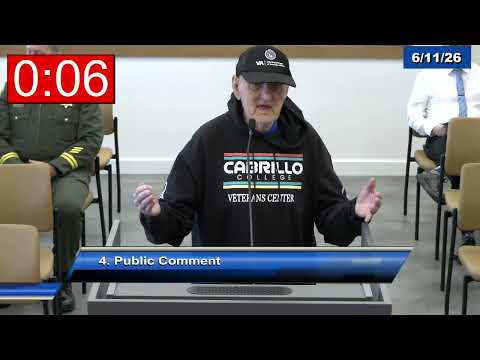
Gaffne framed the pilot as a way to raise sustainable funds for deferred maintenance and to manage heavy park visitation; he cited approximately 1 million car visits annually to county parks and a deferred‑maintenance backlog estimated at about $91 million. But dozens of public commenters, including parents, community groups and the county park nonprofit, said charging for park access would disproportionately affect low‑income families, people experiencing homelessness and visitors who cannot pre‑purchase passes. Callers raised concerns about parking spillover into neighborhoods, administrative costs, and equity of enforcement; many urged the board to prioritize grant seeking and other non‑user‑fee options.
Supervisors debated alternatives. Supervisor Koig advanced a proposal to approve the parks budget while excluding a pay‑to‑park pilot or pool closures; others proposed a substitute directing staff to work with board offices and the CEO to bring back an alternative budget that would remove the pilot and identify other funding sources. The substitute motion — to direct parks to return with alternatives and to allow board offices to identify contributions (for example, Measure K direct allocations) — passed 5–0.
The board also asked staff to explore Measure Q and Measure K allocations and to provide clear public outreach before any pilot proposal comes back. Parks staff said the department will present an updated funding plan on June 24 and continue to explore grants and district sales tax resources to address maintenance and vegetation management.
The action does not cut the parks’ FY 2026‑27 budget; rather the board asked staff to identify how to close an approximate $280,000 budget gap created by removing the pay‑to‑park pilot from the proposal and to preserve core services such as porta‑toilets and pool hours where feasible.