Get Full Government Meeting Transcripts, Videos, & Alerts Forever!
Get email alerts on the Candidate Forum topic
No spam. Unsubscribe anytime.
Dozens of mayoral hopefuls present visions at Charlotte forum; housing and transit dominate remarks
Summary
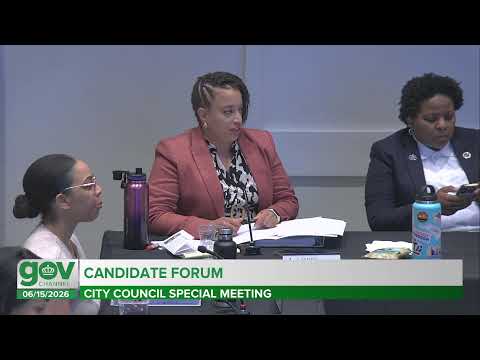
More than 40 applicants addressed council June 15 during a public forum; recurring themes included affordable housing, transit expansion and equitable growth. Candidates ranged from longtime public‑sector figures to first-time civic participants.
Charlotte — Dozens of applicants for the interim-mayor appointment spoke at a public forum on June 15, where a steady stream of two‑minute remarks emphasized housing, transit and equity.
John Apicella, one of the first speakers, bluntly summarized his platform: "Tax the rich, feed and house the poor," a line that drew attention for its contrast with more technocratic pitches that followed. Several other candidates emphasized transit and infrastructure: one candidate said "we need more trains" and urged regional connections, while labor‑aligned applicants urged city attention to good union jobs and infrastructure that benefits working residents.
Candidates framed the interim role as stewardship rather than a long-term policy rewrite. Barrett Berry, who highlighted experience in government and nonprofits, said he would be prepared to "step in on day one" and execute council priorities. Community‑oriented speakers repeatedly stressed listening, coalition building and protecting affordability as fast growth continues in Charlotte.
The forum followed extended council debate over the selection process; council paused substantive questioning and reserved a separate step for interviews with finalists after nominations are collected. The forum itself was limited to two minutes per applicant and did not include live questioning from council.
What stood out: recurring calls for affordable housing and more robust transit options appeared in many pitches, and a number of candidates focused on collaborative leadership and operational capacity rather than sweeping new agendas for the 17‑month interim term.
What’s next: Council will use a ballot nomination process to pick finalists it will call back for interviews; those interviews will be the venue for more detailed questioning about each finalist’s approach.