Get Full Government Meeting Transcripts, Videos, & Alerts Forever!
Get email alerts on the Government Transparency topic
No spam. Unsubscribe anytime.
Residents urge more transparency on sponsorship perks and call to end Flock Safety cameras
Summary
At the June 15 Wheeling board meeting, residents raised concerns about taxpayer-funded sponsorship perks at a D21 golf outing and urged the village to cancel its contract with Flock Safety automated-license‑plate cameras, saying "surveillance is not safety." Trustees did not debate the issues during public comment.
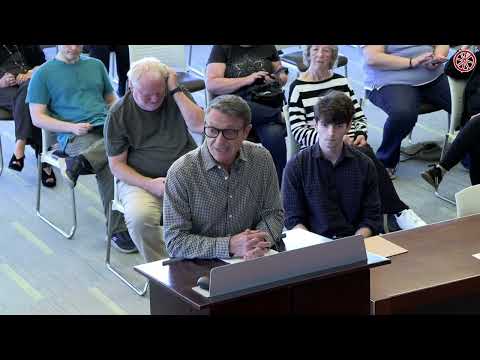
Two residents used the public comment period at the June 15 Wheeling Board of Trustees meeting to press the village on transparency and surveillance.
Susan Shelonburg asked the board to clarify policies governing incidental benefits tied to municipal sponsorships of events, saying the village's "gold" sponsorship of a D21 golf outing included "a perk of a golf forum valued at $800" and that such perks risk creating perceived private benefits for trustees and staff. Shelonburg asked whether the village maintains documented criteria or accounting for acceptance of such benefits and whether internal ethical guidelines exist to address potential perceived conflicts of interest. She recommended that trustees and staff attending the Wednesday event "decline the perk and pay for your own fees to participate."
Tom Debit called on the board to cancel the village's contract with Flock Safety and remove automated license‑plate cameras from public right‑of‑way locations. He told trustees, "Surveillance is not safety," and urged officials to review how many cameras are installed, who installs them, and whether installations meet safety standards (for example, whether breakaway slip plates were installed in crash zones). Debit cited public reports of abuses in other jurisdictions and asked Wheeling to reconsider its contract.
Clerk Brady and President Harker noted the board's public‑comment procedures; staff did not answer substantive questions during the comment period. Shelonburg said she received an email from Mr. Ferillo correcting an earlier statutory citation she had made and thanked staff for that clarification; beyond that, the remarks were presented to the board for consideration rather than immediate response.
The comments raise two distinct policy questions for trustees: (1) whether the village should adopt or publish formal criteria and accounting for incidental benefits tied to sponsorships and (2) whether the village should re‑evaluate its contract and installation practices with Flock Safety. The board did not take action on either item at the meeting.