Get Full Government Meeting Transcripts, Videos, & Alerts Forever!
Get email alerts on the Animal Welfare topic
No spam. Unsubscribe anytime.
Nevada County tostudy a rescue's request for support after operator details care for more than 100 dogs
Summary
County members agreed to a 30-day study on options to support a local rescue after the operator described caring for about 100 dogs, rising vet bills and repeated county-wide dumping; county counsel advised contracting for services under ACA 14-173-103 rather than an unconditional grant.
Nevada County's quorum court agreed to study for 30 days whether and how to support a local rescue that told the court it currently cares for more than 100 dogs and faces mounting expenses.
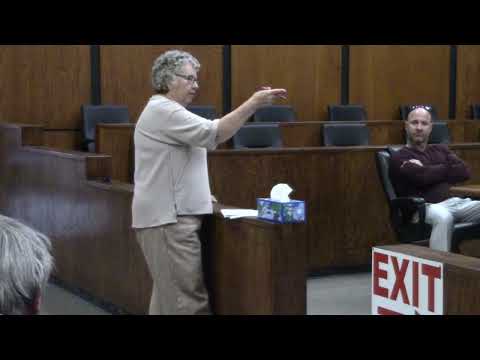
The rescue operator, who identified her organization in the record as Lower Nevada County Animal Rescue, described frequent calls from the sheriff's office after animals were dumped, ongoing monthly food and veterinary expenses, and difficulty moving animals for adoption. "We have over a hundred dogs right now," the operator told the court, describing a limited volunteer base and growing bills.
County counsel briefed members on statutory limits for county-directed funds and recommended a contractual approach rather than an open cash transfer. The counsel cited ACA 14-173-103 (as quoted in the meeting) and said the quorum court can fund services through a contract that specifies deliverables and payment terms. Counsel volunteered to help draft contract language pro bono and pointed to examples from other counties where contracting (rather than unconditional grants) was used to provide services to the public.
Members discussed oversight mechanisms: counts or reporting tied to payments, reasonable retention and intake expectations, and precedent for other nonprofit contracts (the court previously used contractual arrangements for programs such as the Imagination Library). Concerned members raised capacity questions and adoption rates; one member noted local transports to other states can help but do not solve the immediate sheltering and feeding costs.
The court unanimously agreed to study the proposal for 30 days, direct staff to research grant options and contract models, and return to the court next month with a proposed contract or recommendation.
Ending: Staff and counsel will draft contract options and pursue possible grant sources; the court will revisit the item at the next meeting.