Get Full Government Meeting Transcripts, Videos, & Alerts Forever!
Get email alerts on the Wildfire Preparedness topic
No spam. Unsubscribe anytime.
Rancho Palos Verdes staff outline wildfire-preparedness steps, from goats to new 1680 AM emergency radio
Summary
City staff described prevention and mitigation measures including a fire-weather protocol, 230 acres of goat grazing and hand crews to reduce dry vegetation, building-code guidance under RPV Chapter 7, and redundant alerting via Alert South Bay and a live 1680 AM emergency radio station.
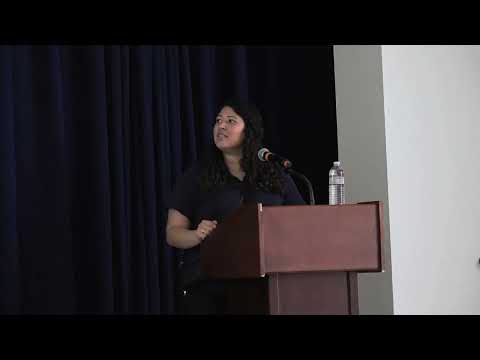
A city staff member presented Rancho Palos Verdes City's wildfire preparedness and disaster-cycle strategy, detailing prevention steps, vegetation mitigation, building-code requirements and redundant public-alert systems.
The presenter said the city follows a fire-weather protocol that increases park-ranger patrols, sets up fire bands, restricts gas-powered public-works tools and issues burn bans in park facilities during high-risk weather. "If there is hot, windy, dry weather, that means there's a risk of fire," the staff member said, urging residents to avoid mowing or parking on dry grass and to refrain from outdoor grilling during fire weather.
Mitigation efforts include hand crews and grazing animals. "We got some really cute goats, but they're not just cute. The goal of these goats is to eat up a bunch of the dry grass that can turn and worsen wildfires," the presenter said, adding that the goats and crews work across roughly 230 acres of city-managed land. The presenter also said the city follows fire-department guidance for clearing vegetation near structures (noting clearance within a 200-foot metric and trimming along roadways) and removes invasive, fast-burning plants to lower fire spread and reduce post-fire erosion and landslide risk.
On construction standards, the presenter said the city adheres to the California Building Code and RPV Chapter 7 requirements for new buildings and major modifications. In very high fire-severity zones, the city recommends Class A fire-rated materials, tempered glass, ember-resistant vents and ignition-resistant walls to reduce structure ignitions.
The Emergency Operations Center (EOC) would coordinate responses in a major incident, the presenter said, working with county fire, sheriff's offices and nonprofit partners. Evacuation orders would be pushed through Alert South Bay; the presenter urged residents to sign up at alertsouthbay.com and distinguished that wireless emergency alerts from the national Wireless Emergency Alert system do not require opt-in and are sent only by a small number of officials when life-safety is at stake.
Residents were directed to pvpready.gov to check evacuation zone maps and real-time evacuation warnings for a given address. The presenter said the city will also use the My RPV app, RPVTV and social media to disseminate information.
To provide a resilient fallback if power and communications fail, the city has activated an AM emergency radio on 1680 AM. "This is our backup," the presenter said, noting the station is live now though broad public outreach has not yet occurred. The station operates without grid power or standard communications and will replay the same messages posted through other channels during a major outage.
The presentation emphasized that recovery can be protracted after catastrophic incidents and that the city would stand up long-term recovery coordination groups and, where needed, work with FEMA and the Red Cross on disaster assistance and shelters. No formal motions or votes were taken during the presentation.
The city encouraged residents to register for Alert South Bay, review pvpready.gov for zone information, and program 1680 AM into car or home radios as an additional preparedness step.