Get Full Government Meeting Transcripts, Videos, & Alerts Forever!
Get email alerts on the Wildfire Mitigation topic
No spam. Unsubscribe anytime.
California Department of Insurance urges home hardening as part of sustainable insurance strategy
Summary
A Department of Insurance representative said simple home-hardening steps and a new "sustainable insurance" pricing approach could stabilize markets and reward mitigated homes; the department plans rulemaking that would let insurers use catastrophe models if they meet an 85% market-share commitment in high-fire areas.
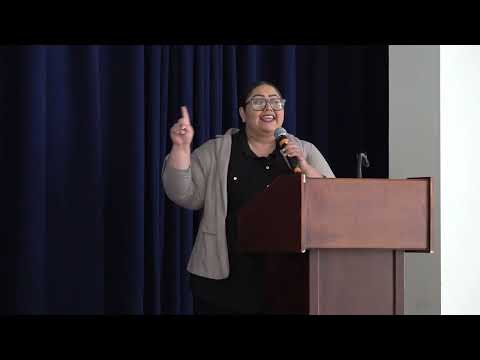
Brenda, a representative of the California Department of Insurance, told attendees that small modifications such as a Class A roof and a five-foot ember-resistant zone can prevent ember-driven ignitions and help protect homes from wildfire.
"Often homes with flammable materials can be fully ignited in less than 20 minutes," Brenda said, using a comparison video to show a mitigated and an unmitigated home. She pointed to gravel at a fence line as the point where embers stopped in the mitigated example.
The department's sustainable insurance strategy would enable insurers to use catastrophe modeling to price policies based on property-level mitigation. "If you mitigated your home, guess what? They have to price you accordingly because now they're pricing you based on risk," Brenda said. She emphasized a regulatory caveat: insurers may only use the model once they commit to covering 85% of their market share in high fire distressed areas.
Brenda said five companies have already committed to expanding in California under the strategy. She framed the approach as a market-stabilization step: "You can't make affordable what doesn't exist," she said, arguing that stabilizing supply and competition is a prerequisite to affordability.
Why it matters: allowing catastrophe models tied to documented mitigation creates a direct financial incentive for homeowners and communities to reduce wildfire vulnerability. The department positions the rulemaking both as a consumer-protection tool (ensuring pricing reflects risk reduction) and as a market-stability measure.
What was not decided: Brenda described the rulemaking approach and the market-share threshold but did not announce a final rule, effective dates, or which specific insurers had committed beyond the numerical count she referenced. Formal adoption, rate filings and the timing for when modeled rates could be implemented were not specified.
Next steps: the department will continue outreach, and attendees were directed to department materials for more detail on mitigation steps and on how the catastrophe-model approach would be implemented.