Get Full Government Meeting Transcripts, Videos, & Alerts Forever!
Get email alerts on the Pensions topic
No spam. Unsubscribe anytime.
Retirement board projects 4.14% rise in city retirement appropriation, council weighs tradeoffs
Summary
The retirement board told councilors the city's FY27 retirement appropriation would rise roughly 4.14% (about $544,000) to an estimated $13.6 million. Councilors and the mayor discussed level‑funding or one‑time backfills to ease taxpayer pressure versus maintaining the funding schedule to reach full funding by 2032.
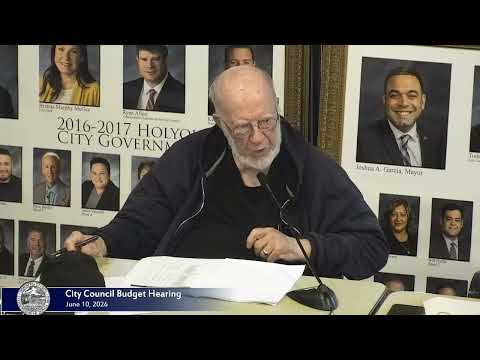
A representative of the retirement board told the City Council on June 10 that the proposed FY27 retirement appropriation for the city is roughly $13.6 million, an increase of about 4.14 (approximately $544,000) over the current year. The board explained the overall public‑pension appropriation for all covered units would be about $20.6 million, with the city's share roughly $13.69 million.
Councilors pressed whether the city could level‑fund the retirement payment this year using one‑time resources to reduce immediate taxpayer pressure. The mayor said level‑funding or a one‑time backfill could delay the near‑term increase for ratepayers but would increase obligations later; he noted that if the city stays the funding schedule and the system reaches full funding by 2032, it could create excess capacity that might be returned to taxpayers years from now.
The retirement representative said the board will finalize an updated funding schedule and an actuarial study soon and will share it with the mayor and council. Several councilors asked whether legal approvals or state actions would be required to change the schedule or adopt a one‑time backfill; the retirement representative said he would consult attorneys and provide guidance to the council.
No formal decision was made; the discussion framed a tradeoff facing the council: short‑term taxpayer relief versus adhering to an actuarial schedule to ensure long‑term pension solvency.