Get Full Government Meeting Transcripts, Videos, & Alerts Forever!
Get email alerts on the Police Budget topic
No spam. Unsubscribe anytime.
HolyoKe police budget proposes fewer authorized patrol positions and cuts overtime amid rising tech costs
Summary
The chief presented a $14.74 million police budget that reduces authorized patrol positions from prior budgeted levels and trims overtime while subscription costs for records/CAD and ShotSpotter rise. Councilors and the mayor warned those moves could stretch response capacity; the chief said grant funding and hiring schedules will determine near‑term staffing.
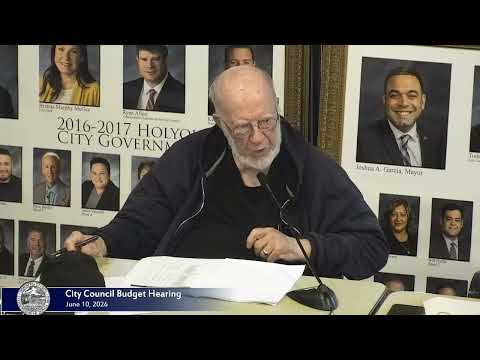
The HolyoKe Police Chief told the City Council on June 10 that the department’s proposed FY27 budget is $14,741,161 and includes a reduction in authorized patrol positions from figures in last year’s approved budget to 89 positions, with roughly 84 officers currently on staff. The proposal also reduces overtime funding from $350,000 to $150,000 while increasing technology and data subscriptions.
Councilors pressed over how staffing changes and a smaller overtime allocation would affect patrol response and ongoing outreach work. The chief said the department remains committed to public safety but cautioned that fewer authorized positions and reduced overtime could slow hiring timelines and operational capacity, noting an expected September 2026 academy and three to four retirements projected for January 2027.
The budget increase for data and technology—described at the hearing as data management and subscription costs—covers the department’s records management and CAD systems, ShotSpotter, firearms‑training costs and other recurring services used for daily operations. The chief said the shift toward subscription‑based services reflects a national trend and that those recurring costs, plus more frequent firearms qualifications, have increased operational expenses.
Mayor Garcia and councilors framed the proposal inside a wider budget tradeoff: adding roughly $1.1 million back to the department would push the city toward the levy limit and force cuts elsewhere, they said. The mayor said the administration is trying to address systemic inefficiencies, including contractual obligations, before committing additional recurring dollars.
The chief said grant funding (including a roughly $300,000 position that expires in September) has helped sustain specialized outreach positions, but reliance on grants creates uncertainty for sustaining those roles long term. Councilors asked whether the administration expects a supplemental appropriation before year‑end if overtime needs exceed the proposed amount; the mayor said the administration will continue to monitor budget performance and may seek adjustments if required.
The council will consider the full municipal budget, including the police appropriation, in a June 23 vote timeline. For now, the chief asked for continued partnership from the council and emphasized the department’s effort to balance rising costs with maintaining public safety.