Get Full Government Meeting Transcripts, Videos, & Alerts Forever!
Get email alerts on the Emergency Preparedness topic
No spam. Unsubscribe anytime.
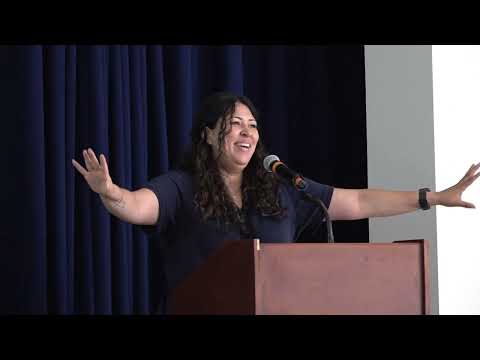
Emergency manager urges peninsula residents to 'Get the alerts, make a plan' for wildfires, quakes and outages
Summary
An emergency manager advised residents to sign up for Alert South Bay, keep multiple go-bags and communication plans, tune to a new 1680 AM emergency radio, and practice evacuation drills to improve survival and reduce trauma.
An emergency manager who referenced RPV told attendees in a city presentation that residents should focus on four preparedness priorities—get the alerts, make a plan, have supplies ready and remain in a state of readiness—to reduce risk from wildfires, earthquakes and power outages.
The manager opened with a personal account of evacuating during the Eden fire to stress how quickly small fires can grow and to urge immediate action: "If you see a fire next to your house, don't wait for my alert. Go." They said Alert South Bay should be residents' primary sign-up for urgent local warnings and announced a local emergency radio loop on 1680 AM that will mirror critical alerts when phones and power fail.
The guidance combined high-level direction with granular steps residents can follow. The speaker recommended designating an out-of-area contact for family check-ins, keeping critical phone numbers written on paper, and storing copies of key documents off-site or on cloud storage. On communications, the speaker advised: "text, data tend to work better than phone calls," and added that long-distance calls may go through more reliably than local calls during major incidents.
Practical packing advice included keeping at least two types of kits—a stay-at-home kit and a leave kit—and, if possible, multiple go-bags. The speaker said they keep three go-bags and suggested including water, snacks, spare glasses, chargers (including a car charger), a flashlight, copies of identification (birth certificate, passport), several hundred dollars in cash, basic toiletries, and a small first-aid kit. They recommended updating kits every six months.
Planning tips covered evacuation rendezvous points (neighbor homes, nearby parks, or a distant meeting point if an entire region is evacuated), vehicle readiness (fuel full, park facing out), spare house keys, a map and compass if phones fail, and arrangements for people with special medical needs (for example, dialysis). On pets and children, the speaker emphasized packing food, comfort items and familiar toys to reduce trauma during long evacuations.
On preparedness practice, the speaker urged residents to conduct evacuation drills at least every six months — at different times of day and from multiple locations — so that responses become habitual rather than panic-driven. "Practice," they said, "so it no longer becomes a trauma, it becomes a habit."
The city presentation and associated resources, including slides and the question-and-answer material, will be posted to the city's emergency resources page and to YouTube for later reference, the speaker said.
The presentation focused on individual and household actions rather than new city policy; no formal motions or vote outcomes were announced at the event.