Get Full Government Meeting Transcripts, Videos, & Alerts Forever!
Get email alerts on the Fire Services topic
No spam. Unsubscribe anytime.
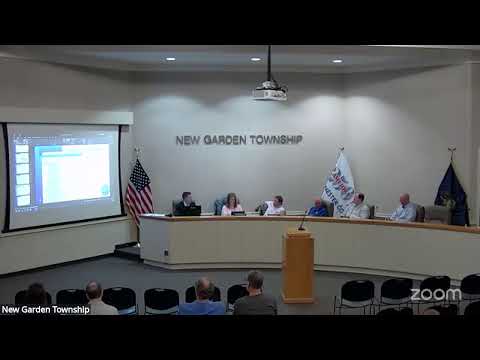
New Garden supervisors briefed on regional fire company consolidation and funding options
Summary
Presenters told the board that Aenddale and West Grove fire companies plan to consolidate as Southern Chester County Fire Rescue to address falling volunteer ranks and rising costs; township officials were told the merger could lower New Garden's share of municipal fire costs but governance and funding models remain under discussion.
Presenters at the June 15 meeting described a pending consolidation of the Aenddale and West Grove volunteer fire companies into a single organization, Southern Chester County Fire Rescue, intended to address a sharp drop in volunteers and steep increases in apparatus and EMS costs.
A presenter told the board that volunteer firefighter ranks have fallen dramatically while calls for service have risen, and that a previous municipal partner providing about $300,000 annually for coverage ended its support five years ago. The presenter said, “Every single fire department across the United States of America is currently having the exact same conversations that we are doing right now,” and noted apparatus costs and longer lead times for new trucks have increased pressure on budgets.
Officials framed regionalization as a way to spread costs and maintain service. Presenters said the current municipal funding formula would be blended as the consolidation progresses; under the illustrative “third-to-third” model discussed, New Garden’s proportional share of the regional cost obligation could fall from roughly 40% (under the present arrangement) to approximately 28% once all municipalities join and the service is fully blended.
Board members and staff emphasized that formal governance questions remain. Presenters described several options being evaluated by the roughly 10 participating municipalities: continue under intermunicipal agreements, create an authority that would bill residents directly as a utility-style charge, or adopt another regional governance model. Staff noted the consolidation will require municipalities to agree on a funding formula, oversight structure and reporting before January 1, 2027, when a fuller service blending is projected to be in effect.
The presentation stressed next steps rather than immediate changes to daily service: presenters said residents should not expect disruptions in emergency response and that vehicles and personnel will continue to operate locally, though some apparatus may be repainted or rebranded. The board asked staff to continue engaging with partner municipalities and present governance options and budget impacts during upcoming budget planning sessions.
The board did not take a formal vote on governance tonight; presenters were asked to return with additional detail on funding scenarios and a recommended governance framework.