Get Full Government Meeting Transcripts, Videos, & Alerts Forever!
Get email alerts on the Interim Superintendent Contract topic
No spam. Unsubscribe anytime.
Board debates interim superintendent contract and legal fixes after Saturday vote
Summary
At a board workshop, a consultant advised trustees that a motion the board approved Saturday to place an assistant superintendent into an interim superintendent role needs a corrected title‑2 contract, clear reverter language and a confirmed salary/days package before it can be legally implemented.
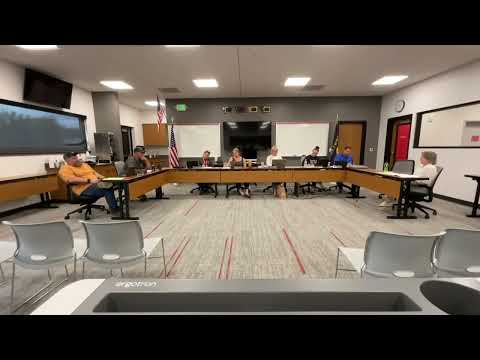
A school board workshop that included consultant Elizabeth Khaliba focused on governance rules and an extended review of a recently approved interim superintendent arrangement the board approved on Saturday.
Elizabeth Khaliba, a K–12 governance specialist, told trustees that Montana law distinguishes the contract terms that apply to assistant superintendents (title 20) and to superintendents (title 2) and that the motion read at the meeting contained conflicting terms. "You can't give them the same contract you had last year," Khaliba said, adding that a superintendent's contract typically will need to address statutory sick‑leave and vacation provisions and is usually written for 260 days, not 270.
The board discussed a motion read during the meeting that described an interim appointment at $135,000 and (as recorded in the motion) 270 days. Trustees and the consultant warned that amending an existing title‑20 contract to make someone a title‑2 superintendent is not a legally sound shortcut. Khaliba recommended that the board rescind or resend the prior motion and present a standalone title‑2 superintendent contract for a vote, with clear language on days, statutory leave, and any reverter clause.
Trustees repeatedly raised the specific issue of a reverter clause — language that would allow the interim appointee to return to a tenured administrative position if the board later eliminated the superintendent position or if the interim arrangement ended. Khaliba said a reverter clause can be written to return the appointee to "a tenure administrative position within the district" rather than promising the exact prior job title, which gives the district flexibility while protecting the individual.
Board members also questioned the salary arithmetic: whether the intent was $130,000 for 260 days or $135,000 for 270 days. One trustee, who reviewed the numbers, said the per‑day rate is effectively the same when adjusted, and Khaliba advised confirming the candidate's willingness on specific terms before presenting the contract to the full board.
Trustees asked about contingency plans if the assistant superintendent declines the interim role. Khaliba outlined options including hiring an external interim, offering a one‑year interim to an outside candidate, or negotiating an additional short‑term duty agreement to cover summer responsibilities. She also recommended clarifying communications to external applicants so candidates know whether the district is hiring now for the coming year or only recruiting later.
The meeting included broader governance instruction: Khaliba reviewed Montana statutes the board should monitor (including references to 20‑3‑301 and quorum rules), and cautioned trustees about individual communications about board business, discovery risk from texts and emails, and the limits on individual trustees’ authority to direct staff. She reiterated that administration typically sends routine notices (for example, non‑renewal letters) on the board's behalf and urged trustees to refer constituents to established complaint and grievance procedures (policy 1700) to avoid bypassing administrative processes.
Next steps agreed by trustees and the consultant were to: have the two board members negotiating with the assistant superintendent confirm whether he will accept a title‑2 interim contract on clarified terms; have legal counsel or the consultant draft a title‑2 contract that includes an agreed reverter clause; and bring the corrected contract back to the board for a formal vote and ratification before July 1 if possible.
The consultant offered to provide a superintendent contract template and to help the board draft clear reverter language and communications to applicants and the community. The board did not finalize a corrected contract during the workshop and was advised to formally resend or reintroduce the offer in a subsequent meeting so the terms would comply with statutory requirements and be properly recorded.