Get Full Government Meeting Transcripts, Videos, & Alerts Forever!
Get email alerts on the Land Use Development topic
No spam. Unsubscribe anytime.
Lebanon planning board tables Pillar Estates after residents press how project exceeds 10‑unit limit
Summary
The Planning Board delayed action on the Pillar Estates site plan after residents asked how the developer reached 16 units where town rules reference a 10‑unit limit; the board asked the select board or town attorney for a legal opinion and set the application for further review on June 29.
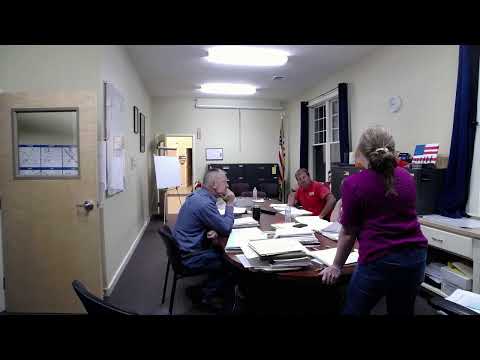
The Lebanon Planning Board on a procedural vote agreed to delay final action on the Pillar Estates cluster‑housing site plan so the select board and town attorney can answer residents’ legal questions about how the proposal exceeds a 10‑dwelling‑unit threshold.
Board members and the applicant spent the meeting walking through revised site plans — moved wells, underdrain details, first‑floor and basement elevations, erosion‑control fabric and rain‑garden notes, and a small 10‑by‑12 chicken coop — before residents raised a central legal question: how the project could move from the town’s 10‑unit figure to a plan for 16 units. “So, I was actually going to talk about this…if the town has an ordinance that says 10 dwelling units, how are we at 16?” asked resident Joe Whitmore during public comment.
Planning staff replied that the town’s rules were being interpreted in light of state statutes and recent changes, and that some provisions refer to dwelling‑unit counts measured as building permits over a five‑year window. “You’re allowed 10 dwelling units in a five‑year period,” said an official involved in review, adding that accessory dwelling units and state growth rules complicate the count. Board members said answers to those legal questions were outside the planning board’s authority and should be decided by the select board or by town counsel.
Because residents had submitted conflicting emails and statutory citations, the board voted to table Pillar Estates for two weeks and asked staff to send the written questions to the select board and request any legal opinion before the June 29 meeting. The motion was seconded and carried by consent. The board also asked the applicant to supply any outstanding as‑built, foundation‑certification and erosion‑control documentation requested by staff.
What happens next: the select board is expected to review the statutory questions and advise the planning board. The board confirmed a public hearing and that the applicant must provide the requested plan clarifications and documentation in advance of the June 29 meeting.