Get Full Government Meeting Transcripts, Videos, & Alerts Forever!
Get email alerts on the Fire Budget topic
No spam. Unsubscribe anytime.
Baberton Fire Department flags staffing, equipment and training costs in budget presentation
Summary
The Fire Department told council the budget increases reflect training needs, retirements, equipment replacement (including pricey turnout gear, radio encryption and a new cot loading system) and tower repairs; presenters stressed ISO ratings and recent EMS successes.
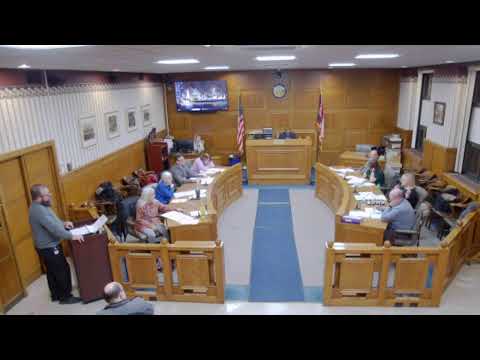
During the March 2 budget review, a Fire Department presenter outlined staffing and equipment needs that underpin proposed budget increases.
The presenter said the department is authorized for 45 firefighters but currently has 44 on staff and expects two retirements this year, creating training and succession challenges. "We're supposed to have 45 firefighters. We have 44. I'm losing two to retirement this year," the presenter said, and noted many current firefighters are early in their careers, increasing training demands.
Budget drivers detailed included higher training and travel expenses tied to certifications and grants, the cost of replacement turnout gear (budgeted by set at roughly $4,800), tower repair and maintenance (recent estimates around $25,000 for significant work), and equipment tied to a new ambulance (a cot loading system was cited at roughly $75,000). The presenter also recommended radio encryption upgrades to protect operations and discussed the department’s ISO rating metrics, which affect community insurance costs.
The presenter highlighted recent response successes: two rapid STEMI transport responses and a stroke response that led to near-complete recovery for a patient. The presenter invited council members to tour the station and training operations.
Why it matters: the budget discussion connects public-safety readiness, insurance ratings and long lead times for vehicle and apparatus procurement; the department said capital costs and training are pressing priorities that will affect operations and public service continuity.
What’s next: the budget will proceed through the council’s usual review and appropriation process; the presenter said the department will continue to pursue grants and donations to offset capital costs.