Get Full Government Meeting Transcripts, Videos, & Alerts Forever!
Get email alerts on the Salary And Budget topic
No spam. Unsubscribe anytime.
Pocahontas school board weighs $400,000 in pay stipends amid federal funding uncertainty
Summary
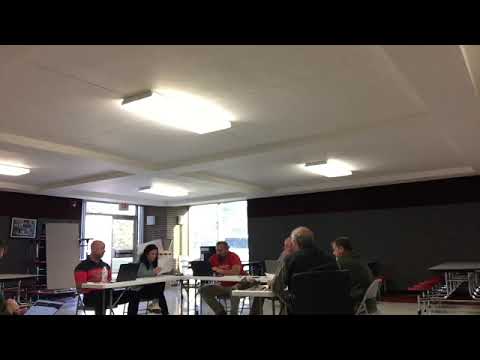
At a work session, Pocahontas School District leaders discussed one- and multi-year salary-schedule options that would add roughly $397,000 in recurring stipends for certification, education and years of service, while flagging the budget risk if federal funding is reduced.
Dr. Bogle opened a work-session discussion of proposed changes to the Pocahontas School District salary schedules, laying out single-year and phased options that would add stipends for certification, education and years of service and would cost the district roughly $397,000 when fully implemented.
The discussion centered on trade-offs between a one-time full implementation and two- or three-year phased plans, the district’s current fiscal position, and the risk posed by possible federal funding reductions. Dr. Bogle emphasized that Arkansas districts receive a significant share of federal dollars and urged caution: “the short answer is nobody knows for sure,” he said of next year’s federal and state allocations, and warned that “if the feds come back and say, ‘We’re not giving you any money,’ that would be worst-case scenario.”
Why it matters: the packet presented worksheet figures showing a projected foundation funding per student of $8,162 (current cited as $7,771) and an assumed enrollment (3/4 ADM) near 1,892. That produces an estimated foundation total of about $16.77 million; the district’s salary and benefits line is shown at about $13.65 million, with substitutes budgeted at $361,250. Using those figures, Dr. Bogle calculated that salaries and benefits currently account for about 83.56% of foundation funding under the single-year example and would approach roughly 89–90% if federal dollars were suddenly removed — levels trustees said could trigger state concern about fiscal distress.
What was proposed: the superintendent presented a menu of stipend options that target different groups — loyalty to the district, years of experience and extra education/certification. A single-year “do-it-all” plan would raise certified and classified pay at once; phased plans would front-load stipends for certification and education and delay or stagger other years-of-service stipends to reduce near-term budget pressure. Dr. Bogle said a two-year phased example would split roughly $397,000 into two near-equal increments (about $198,468 in year one and a similar amount in year two).
Board reaction and priorities: trustees and members pressed which groups should be prioritized. Some argued for front-loading pay increases to mid‑career teachers (6–24 years) rather than disproportionately boosting 25–30+ year brackets; others stressed certified staff had not been paid for advanced education in recent years and urged stipends for certification/education be paid sooner. Board member Brian said a gradual approach made sense to preserve flexibility; another member emphasized the district’s responsibility to present these trade-offs transparently to voters if a millage question were needed to sustain long-term building projects such as a replacement high school.
Legal, administrative and next steps: trustees also discussed state rules that typically direct surplus foundation dollars toward building funds and noted the legislature’s April–May timetable for finalizing allocations. Dr. Bogle said he would share the board’s feedback with the pay committee (PPC), run additional spreadsheet scenarios and return with two concrete options — a phased plan and a full implementation plan — and recommended inviting the district’s financial adviser (Michael McBride was mentioned) to explain what can and cannot be allocated to salaries versus buildings. No formal motion or vote occurred at the session.
The board plans to reconvene with refined costings and legal guidance in a future meeting before any formal action, and to consider public outreach about millage or budget choices if needed.