Get Full Government Meeting Transcripts, Videos, & Alerts Forever!
Get email alerts on the Zoning Variance topic
No spam. Unsubscribe anytime.
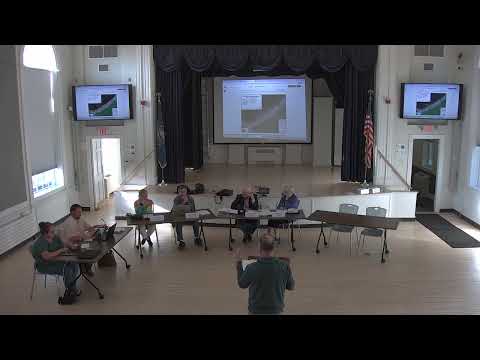
Zoning board of adjustment approves variance for Otter Pond shoreline steps
Summary
On June 16 the zoning board of adjustment granted a variance allowing the Otter Pond Protective Association to install four low‑profile infiltration steps and close informal paths along a narrow stretch of shoreline to reduce erosion and stormwater runoff.
At its June 16 meeting the zoning board of adjustment voted to grant a variance to the Otter Pond Protective Association to install four low‑profile infiltration steps and to close a number of informal footpaths along a narrow stretch of Otter Pond shoreline.
Stu Greer, co‑president of the Otter Pond Protective Association, told the board the project is a restoration effort prompted by significant erosion and recurring stormwater runoff that the association says increases the risk of cyanobacteria blooms. Greer said the plan, based on designs from the New Hampshire Department of Environmental Services (NHDES) with support from LSPA, calls for four stone‑boxed infiltration steps distributed along roughly 700–900 feet of shoreline and follow earlier plantings of more than 200 native plants to stabilize vegetation.
Greer described the current condition as multiple informal access paths through shoreline vegetation — he cited 13 in the record — and said consolidating access to four constructed pathways should reduce sheet erosion and slow runoff into the pond. “We’re in the midst of a restoration project for the beach because of significant erosion,” Greer said.
Vice Chair Steven Root disclosed he serves on the board of trustees of the Osman Sergeant Land Preservation Trust, which holds a conservation easement on the property. Root said he has no pecuniary interest related to the trust, has had no discussions with trust staff about the application, and declined to recuse himself from the hearing after explaining the fiduciary duties associated with his role.
Board members questioned visual and functional impacts, including whether the steps would change the character of the beach and how wheelchair users would access the water. Greer said the steps are low profile — roughly four by 10 feet each at most — and that a cleared area used as a boat‑launch point could provide access for people with mobility impairments; a town staff member noted that gravel can sometimes be installed to meet ADA slope requirements without paving.
The town’s public works representative advised the board it wants any pathway edge kept no closer to the road right‑of‑way than the existing vegetation to reduce the risk of damage from routine roadway operations such as snow plowing. The presenter said the association will hand‑install the steps (no heavy equipment), accept long‑term maintenance responsibility, and expects the built steps to last 10–20 years depending on conditions.
The chair proposed possible conditions related to right‑of‑way placement, an advisory notice that infrastructure in the right‑of‑way may be damaged by roadway operations, and a requirement that the petitioner address any ADA obligations. Some board members questioned whether those conditions were necessary or enforceable. After discussion a motion to approve the variance “as applied for without conditions” was made, seconded and approved by voice vote; the chair announced that the variance was granted without conditions.
Presenters and a gallery member said additional letters of support from the Gordon family (the donors who gifted the property) and an abutter are in the record; the file also contains a real‑estate letter from Missy Owen opining there would be no negative effect on neighboring property values. The petitioner was advised that other permits — for example, shoreland and land‑disturbance permits referenced in the record — may still be required prior to construction.
The board’s action grants the Otter Pond Protective Association the zoning relief sought; the association agreed to maintain the installed infrastructure. The meeting adjourned after routine scheduling notes.