Get Full Government Meeting Transcripts, Videos, & Alerts Forever!
Get email alerts on the Infrastructure Planning topic
No spam. Unsubscribe anytime.
Officials outline long-term roads plan, urge tax-base growth and host downtown outreach
Summary
Staff presented a multi-year roads and capital spreadsheet that models major projects (Academy Hill final paving, Glidden Street, stormwater work) and warned debt service will spike; members urged expanding the tax base and invited the public to downtown outreach sessions beginning next week.
Town staff presented a visual spreadsheet modeling a 10- to 12-year capital plan that maps scheduled road projects, bond assumptions and projected debt service, and members discussed tradeoffs between bonding, tax increases and grant-seeking.
The presentation included an estimate that completing the remaining shim and overlay work on Academy Hill across multiple years would total roughly $3 million (staff framed that as a planning-level figure). Staff also showed examples of larger, bond-sized projects such as Glidden Street reconstruction and a stormwater redesign at Liberty/Pleasant; members noted those projects would create multi-year debt-service spikes unless paced or matched with reserve balances and grants.
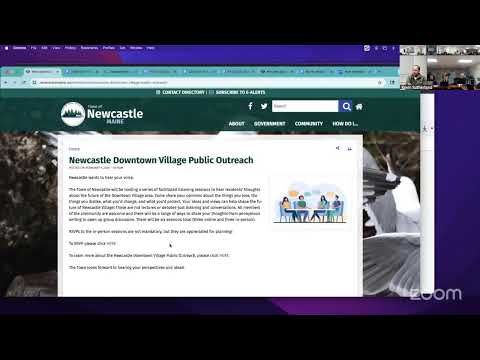
Committee members said the town cannot realistically “catch up” fully on deferred capital without a substantial, sustained change in revenue and recommended prioritizing projects that expand taxable value. Participants discussed grant opportunities for design and hazard-mitigation work and asked staff to add a grant-opportunity line in the planning spreadsheet. The committee scheduled and promoted a series of public outreach events for downtown planning: Topic 1, Tuesday at 9 a.m. in the fire-station community room (repeat online Feb. 18 at 6 p.m.), and a March 10 session at Lincoln Academy focused on housing; staff asked finance-committee members to invite five neighbors to help ensure turnout.
Members also discussed triage options for low-value dead-end roads (shim/overlay instead of full rebuild) and the need for a debt-management policy tied to tax-base growth so the town does not incur debt obligations that outlive project useful life. Staff will return with a refined spreadsheet that overlays public-safety and grant-opportunity lines and will present the results at a future meeting.