Get Full Government Meeting Transcripts, Videos, & Alerts Forever!
Get email alerts on the Student Achievement topic
No spam. Unsubscribe anytime.
District staff flag large gap between classroom grades and assessment proficiency
Summary
District presenters told the board that first‑quarter classroom grades (roughly 8,200 grades; about 91% recorded as A or C) are not matching interim and diagnostic test results, which show single‑digit to low‑teen proficiency rates. Staff launched a voluntary review to identify causes and align grading practices with standards.
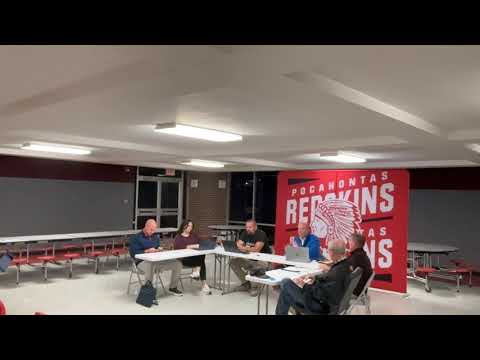
The Pocahontas School District spent a large portion of its regular meeting examining a discrepancy between classroom grades and students’ performance on interim and diagnostic assessments.
At the board meeting, Dr. Abocal told trustees the district had analyzed roughly 8,200 first‑quarter grades and found that about 91% were recorded as either an A or a C. "When we look at those same students on I‑Ready and the interim data, the proficiency numbers are much lower," Dr. Abocal said, citing single‑digit to low‑teens proficiency rates on district interim and I‑Ready checks.
Why it matters: school grades are the day‑to‑day measure parents and teachers see; the state’s summative and interim measures are designed to show progress against grade‑level standards. District staff framed the review as a diagnostic exercise to understand whether the gap is caused by grading practices, instruction not aligned to grade‑level standards, student engagement with interim tests, or other factors.
Administrators said the voluntary review focuses on three priorities: shifting educator and learner mindsets toward continuous improvement; clarifying what constitutes a grade (separating academic mastery from nonacademic factors such as participation); and aligning grading and feedback practices with standards‑based expectations. "We’re asking, ‘Are we asking students to do grade‑level work, and are we consistent across grades and buildings?’" Dr. Abocal said.
Board members and staff discussed classroom practice, parental expectations and the state’s value‑added (BAM) measure, which looks at growth over time rather than only proficiency on a given test. Dr. Abocal noted the district’s use of I‑Ready and Atlas interim checks as dipstick assessments throughout the year and said session two of the staff review was scheduled for the following days.
What’s next: staff will continue the multi‑session review, report findings to the board and propose any policy or instructional changes needed to better align classroom grading with standards and interim assessment reporting.