Get Full Government Meeting Transcripts, Videos, & Alerts Forever!
Get email alerts on the Budget And Compensation topic
No spam. Unsubscribe anytime.
Santa Fe ISD adopts 2026–27 budgets, new compensation plan and one‑time staff incentive
Summary
The Santa Fe ISD Board of Trustees approved the 2026–27 general, nutrition and debt service budgets, adopted a compensation plan with a 1% teacher midpoint increase and 2% for other staff, added a $55 monthly health contribution, and authorized a one‑time 2% inflation payment for eligible employees.
The Santa Fe Independent School District Board of Trustees adopted the district's 2026–27 general fund, nutrition services and debt service budgets and approved a new compensation package at its public meeting during the budget hearing.
Alex Sanchez, who led the budget presentation, told trustees the district used a zero‑based budgeting approach this cycle so departments re‑justified needs rather than simply rolling forward prior budgets. "We took a different approach. We took a zero‑based budgeting approach which means that everybody had to look at their entire budget, look at their needs and start from scratch," Sanchez said.
Under the compensation plan adopted by the board, teachers will receive a 1% increase from midpoint and other staff will receive a 2% increase from midpoint. The board also approved a one‑time, inflationary incentive payment of 2% for eligible employees for the 2025–26 year, to be paid before the fiscal year end, and an additional $55 monthly district contribution toward group health insurance premiums for employees who participate in the plan.
Trustees discussed the plan's sustainability. Sanchez and other administrators cautioned that some projected revenues depend on uncertain items such as state funding changes and attendance, and urged multi‑year trends before making recurring commitments. Sanchez noted the district's unusually high attendance this year (reported at 94%) boosted revenue assumptions but called for prudence: "At this point the 94% attendance is an outlier based on a trend that we've had for the past seven years. We're looking at roughly 92 to 93% if we're looking at a, you know, longer trend."
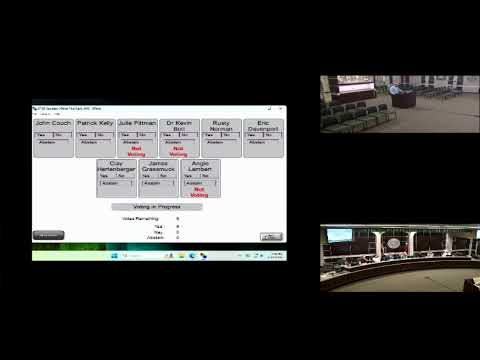
Supporters of a larger pay increase argued rising wages elsewhere make it difficult to retain specialty staff; several trustees said they favored a larger increase if sustained revenue allows. The board voted unanimously to adopt the compensation plan and the budgets as presented.
The administration and trustees said the district can amend the budget later if major changes arise, and that the compensation language allows the district to target additional pay‑scale adjustments for hard‑to‑fill roles during the year if needed.
What happens next: The budget and compensation plan are in effect for the 2026–27 fiscal year. Administrators said certified property values and final tax‑rate calculations in July could change revenue projections and trigger later adjustments.