Get Full Government Meeting Transcripts, Videos, & Alerts Forever!
Get email alerts on the Comprehensive Plan topic
No spam. Unsubscribe anytime.
Consultant outlines Old Town comprehensive plan update, highlights housing and downtown priorities
Summary
Consultant Isabelle Oxley presented a timeline and community-engagement summary for Old Town’s comprehensive plan, reporting 513 survey responses and priorities including housing variety, a vibrant downtown, river connectivity, and remediation of vacant properties; next steps include a Nov. 6 visioning session and drafting goals through February 2026.
Isabelle Oxley, the planning consultant for Old Town’s comprehensive plan process, presented the committee’s work-to-date at the Planning Board meeting on Oct. 21, summarizing public engagement, emerging priorities and a schedule for completing recommendations.
Oxley said the outreach effort produced 513 survey responses and a series of workshops, open houses and targeted interviews with developers and the RSU superintendent. She told the board that about 82% of survey respondents live in Old Town and 13.5% both live and work here, and that homeowners were overrepresented relative to census data. "We had a desire for a deeper dive on priorities," Oxley said, noting visioning workshops on housing, public services and downtown priorities and Riverfest tabling that broadened input.
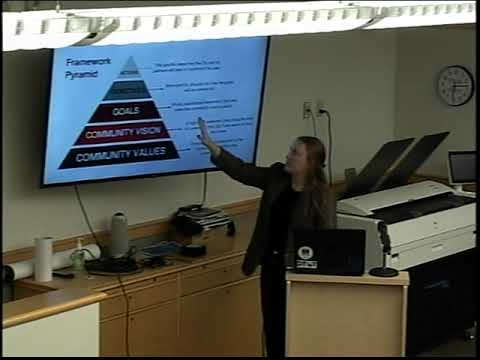
The consultant identified four priority focus areas that emerged from engagement: creating a welcoming, multi‑generational community with housing for diverse ages and incomes; ensuring a vibrant downtown as the civic heart; recognizing and connecting the city to its river resources; and addressing neglected or vacant properties that depress neighborhood character. Oxley summarized a draft vision the committee has circulated: "Old Town is a vibrant and inclusive city that celebrates its rich history while embracing a dynamic and innovative future." She said the plan’s statutory chapters will include economy, housing, land use, natural resources, transportation and public facilities, and that consistency with a state‑certified comprehensive plan can enable zoning changes and preference for some state grant programs.
Board members asked about the survey’s representativeness. Oxley said a roughly 5% online response rate is typical and the committee was pleased to reach about 7% overall, but acknowledged limits: owners and denser neighborhoods were overrepresented and rural areas underrepresented. On questions about housing, she and the board noted data showing a long‑term decline in the share of young families and the 25–34 age cohort, and discussed conversions of single‑family houses into student rentals as a factor affecting available family housing. "If we don't intervene, we will continue to lose young people and families," Oxley said, urging targeted objectives and action steps.
Next steps: Oxley asked the board to publicize a November 6 land‑use visioning session at 6:30 p.m. at the library. She said the committee will work Nov.–Feb. to finalize goals, objectives and action steps; the committee expects to hold a public hearing and forward the plan for state review with an anticipated completion by April 2026.
The board took no formal votes on the plan at the meeting; members agreed to continue refining goals and to coordinate outreach for the Nov. 6 workshop.