Get Full Government Meeting Transcripts, Videos, & Alerts Forever!
Get email alerts on the Vacant Buildings topic
No spam. Unsubscribe anytime.
Prescow schedules second hearing on revised vacant‑building ordinance after extended public testimony
Summary
City staff reintroduced a materially revised Chapter 67 to shift enforcement from fees to a notice‑based, inventory‑driven approach focused on public safety and redevelopment; council scheduled a second public hearing for April 1, 2026 after residents raised concerns about fines, due process and owner assistance.
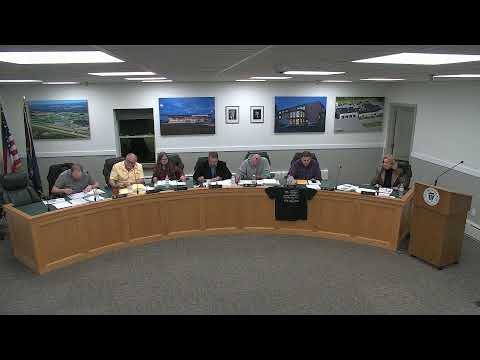
Chair opened the reintroduction of Chapter 67, the city’s vacant‑building ordinance, noting staff had revised the draft and converted the planned second hearing into a first hearing to allow broader public input. City Manager Sonia presented the revised approach, saying the draft removes a registration/renewal fee model and centers enforcement on written notice and time to cure before any penalties.
Sonia, the city manager, framed the ordinance as a public‑safety and neighborhood‑stewardship tool intended to address gaps not fully covered by zoning, building, and property maintenance codes. She told the council the policy is intended to “shift the burden from the public back to the responsibility of the holder” by targeting long‑term vacancy, improving the city’s inventory of vacant properties, and creating predictable triggers for intervention, inspection, and appeals.
In public comment, long‑time resident Scott Wilson questioned imposing fines on owners on fixed incomes and asked where fine revenue would go; Sonia and other staff said the intent is not to create a revenue stream but to recover costs of repeated public‑safety responses and to prompt early outreach and redevelopment assistance. Eric Cassidy, speaking for downtown interests, praised the revisions but asked the ordinance to explicitly commit the city to redevelopment assistance rather than only enforcement; staff responded that economic‑development outreach and an owner assistance component are planned and can be reflected in future drafts.
Council and staff discussed several technical issues raised by residents, including: what triggers the ordinance (life‑safety and nuisance vs. routine code violations), how the city will determine vacancy and ownership, and how the ordinance will treat small or low‑income owners. Sonia advised that the revised draft tightens definitions of vacancy, clarifies notice and appeal processes, and limits fees to repeated public‑safety or nuisance incidents after notice. She said the city will rely on code, police, and community reporting to identify properties for earlier intervention and will pursue inventories and enhanced coordination with redevelopment staff.
After extended public testimony and council discussion, Councilor Craig moved — and Councilor Michael seconded — to set a second public hearing on the Chapter 67 vacant‑building ordinance for the council’s April 1, 2026 meeting. The motion carried unanimously.
What’s next: Staff said they will collect written comments, prepare additional clarifying language (especially on triggers, notice/appeal details, and explicit redevelopment assistance commitments), and present a second draft at the April 1 hearing for final council consideration.