Get Full Government Meeting Transcripts, Videos, & Alerts Forever!
Get email alerts on the Land Use topic
No spam. Unsubscribe anytime.
Missoula County commissioner calls for wide public conversation on zoning as gravel pits, truck stops and data centers surface
Summary
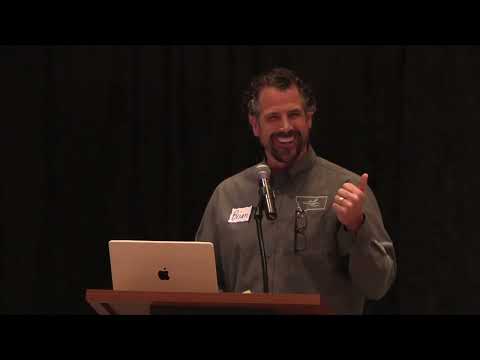
Commissioner Josh Slottnik told the State of Missoula that recent proposals for gravel pits, travel plazas and data centers have raised neighbor concerns and exposed gaps in county zoning. He announced a multi‑year comprehensive growth plan and described zoning criteria already set for data centers.
Missoula County Commissioner Josh Slottnik used his State of Missoula remarks to outline three contentious land‑use issues — gravel pits, travel plazas (truck stops) and data centers — and to announce a countywide planning effort aimed at clarifying where such uses belong.
Slottnik said a recent zoning decision near Florence allowed a gravel pit to continue for 30 years and that neighbors have litigated the result. He described rumors of a proposed gravel operation northwest of Bonner along the Blackfoot River but said no permit application has been filed with the county; the Department of Environmental Quality, he noted, has permitting authority for environmental approvals while the county handles zoning compliance.
On travel plazas, Slottnik recounted neighbors' use of citizens‑initiated zoning to change unzoned land into neighborhood‑commercial designations and contrasted that outcome with a different case in Frenchtown. "They made a great case... and we voted to change the zoning in the way that the neighbors wanted," he said.
Data centers have been subject to county zoning since about six years ago, Slottnik said; current rules require a 500‑foot buffer from residential areas, heavy industrial zoning, e‑waste recycling and either on‑site renewable power or equivalent off‑site investments. "They are welcome in Missoula if they meet a certain set of criteria," he said.
To address these tensions, Slottnik announced a multi‑year comprehensive growth plan for areas outside city limits that will rely on public engagement and professional planners to propose zoning that will be reviewed with local residents.
Why it matters: The issues combine land‑use, environmental permitting and infrastructure demands (roads, gravel) and have prompted neighbor organizing and litigation; Slottnik framed the outreach plan as a way to reduce surprises and surface shared values for future development.
What’s next: The county will kick off the public engagement process this summer and brings zoning proposals back to affected communities for further revision before formal adoption.