Get Full Government Meeting Transcripts, Videos, & Alerts Forever!
Get email alerts on the District Budget topic
No spam. Unsubscribe anytime.
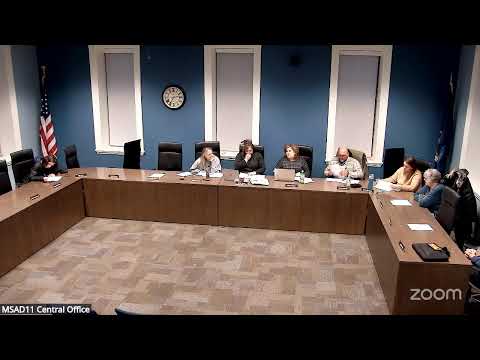
MSAD 11 proposes $703,177 in cuts; committee weighs restoring one middle‑school teacher
Summary
MSAD 11 administrators proposed $703,177 in reductions across programs and positions to limit a district budget increase to 2.14, while the local tax bill would rise about 7.11% because state subsidy fell ~ $210,000. Board members split over using carryover, restoring one middle‑school instructor, and long‑term consolidation options.
MSAD 11 administrators presented a proposed 2026–27 district budget on April 7 that increases total spending by 2.14% ($703,177.16) but would push local taxpayer contributions across four towns higher because state subsidy is projected to fall.
Katie Gould, MSAD 11 superintendent, and Andrea Dish, business manager, told the Finance Committee the operating increase is $703,177.16 but the local towns’ share would rise $996,977.97 (about 7.11%) because the district’s state subsidy decreased by roughly $210,000. Dish explained the subsidy decline stems from two drivers used in the ED279 formula: enrollment declines and an increase in state valuation that the formula treats as greater local capacity to pay.
To mitigate the impact on taxpayers, administration proposed $703,177 in expenditure reductions across articles, including staff-position changes. Key staffing proposals in Article 1 (regular instruction) included eliminating a middle-school classroom instructor ($67,811.42), a high-school teacher ($104,501.25), and two elementary classroom positions tied to lower projected kindergarten enrollments. The district also proposed reclassifying some EdTech positions and identified several vacancies it does not intend to refill.
Administrators and school leaders acknowledged instructional impacts. Dr. Sims and middle- and high-school principals described changes to the learning-lab model and noted that cutting a middle-school teacher would raise some class sizes to the low‑to‑mid 20s; administrators said those numbers would remain within the board’s class‑size policy cap of 26 but could increase teacher workload and reduce individualized support.
Special education (Article 2) was the largest single article by share (19.1% of the budget). The administration proposed reducing $50,000 in a MaineCare seed assumption and not filling two longstanding unfilled special-education positions, a change that administrators described as cautious because MaineCare reimbursements can fluctuate.
Board members split on strategy. Some argued for further cuts to increase the odds the budget passes locally; others warned that using more carryover funds and cutting positions now would deplete reserves and harm instruction. Administrators said historical carryover (about $840,000) would shrink materially if the proposed reductions are applied and warned that run‑to‑nil scenarios would leave the district little flexibility in future years.
After extended debate, the committee asked administration to present two scenarios at the next meeting: scenario A as proposed and scenario B restoring one middle-school classroom instructor (the $67,811.42 position). The administration committed to prepare a tax-rate impact sheet for each of the four towns for the next meeting.
Next steps: the Finance Committee will review the two scenarios and the municipal tax-impact numbers at its next meeting before making a final recommendation to the full board.