Get Full Government Meeting Transcripts, Videos, & Alerts Forever!
Get email alerts on the Outdoor Learning topic
No spam. Unsubscribe anytime.
MSAD1 teachers highlight canoeing, orienteering and outdoor classroom as core parts of high‑school wellness and science
Summary
At an April 14 MSAD1 curriculum committee meeting, teachers described Wellness 2 outdoor units (canoeing, orienteering, snowshoeing), adaptive inclusion efforts and equipment needs; staff noted a recent trip‑leader certification requirement and reliance on older grant funding for costly gear.
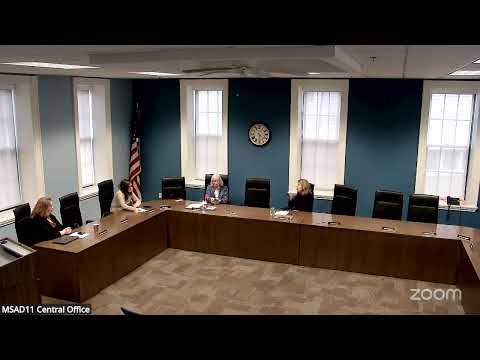
On April 14, presenters to the MSAD1 Curriculum Committee described how outdoor learning is threaded into high‑school wellness and science classes and how those experiences aim to build lifelong physical skills, environmental literacy and community citizenship.
"If you leave my class with one thing you enjoy doing with your body, I've done my job," said Laura Beth Ranken, a high‑school wellness teacher, explaining the program's focus on durable skills and student confidence. Ranken and colleagues said most outdoor learning is concentrated in Wellness 2 (taken in juniors), where students learn canoeing, orienteering and — when weather permits — snowshoeing and cross‑country skiing.
Teachers laid out unit structure and safety protocols: initial skill days, practice in PFD fitting and a staged canoe rescue drill that lets students practice flipping and re‑entering a canoe; a later "free paddle" day rewards progress. Presenters emphasized teaching "outdoor citizenship," including leave‑no‑trace principles and the distinction between public water and private shoreline access.
Alyssa Carter, an earth‑science and biology teacher, described the district's outdoor classroom as a sheltered, off‑grid space used across disciplines. She said students conduct authentic fieldwork there — from macroinvertebrate sampling and dissolved‑oxygen testing in Kabasakanti Stream to multi‑year alewife monitoring whose data are shared with the Department of Marine Resources.
Teachers described adaptive steps to include students with mobility or sensory needs: a tandem kayak used to place a non‑ambulatory student at the front; use of an iPad compass app for students who cannot manipulate a magnetic compass; and alternate on‑site activities when group sizes or substitute arrangements prevent full off‑campus trips.
Presenters also detailed equipment counts and funding history: "We have 50 life jackets, 16 canoes and two trailers," Ranken said, and noted much equipment originated from a PEP grant from the mid‑2000s. They warned that maintenance and storage are ongoing costs and said transportation coordination (aided by a bus‑depot staff member) remains a logistical constraint.
A recent regulatory change requiring an education trip leader certificate for adults leading students on water trips briefly interrupted programming; staff said they secured required certifications so classes could resume. Ranken described a practical staffing limit: each certified adult can take up to 12 students on the water, so two certified teachers allow about 24 students per outing and larger classes require rotation or in‑building activities.
Teachers fielded questions about student map literacy and why some students struggle with bearing and pacing on orienteering tasks; they said lessons intentionally link outdoor skills to everyday uses and build from familiar practices so students can see practical value. Several committee members praised the presentations and the district's ability to sustain outdoor programming over time.
The committee did not adopt new policy or allocate funds in the meeting but flagged equipment upkeep, venue availability and staffing as operational priorities to be addressed in budgeting discussions.
Looking ahead, presenters said continued grant seeking, district inventory sharing and vertical curriculum alignment (K–12) will be priorities to expand equitable access to outdoor learning opportunities.