Get Full Government Meeting Transcripts, Videos, & Alerts Forever!
Get email alerts on the Vantage Data Center topic
No spam. Unsubscribe anytime.
Residents press council on Vantage data-center wells, wastewater and transparency
Summary
Public commenters at the June 26 Port Washington Common Council meeting pressed city officials and developer Vantage for details about planned high-capacity well use, wastewater disposal and monitoring, saying residents were left out of earlier disclosures and asking who will enforce metering and sealing schedules.
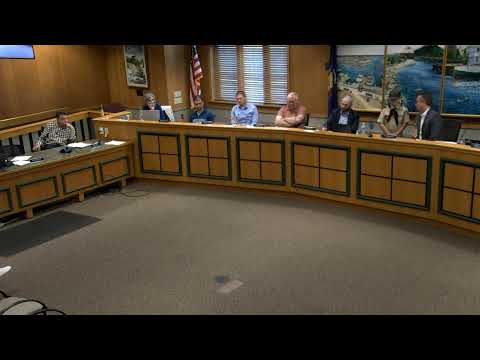
Dozens of residents used the meeting’s public-comment period to press the Port Washington Common Council for more transparency and concrete safeguards tied to the Vantage Lighthouse Campus data center project.
Dean Wager said he learned that Vantage planned to convert existing site wells to “high-capacity wells,” that the Department of Natural Resources had authorized the use of four wells “without modification,” and that the public had not been told. “Why was this plan to use the wells not disclosed to the public, especially to those in the town of Port and other surrounding rural areas that depend on wells for their water?” Wager asked, pressing the city and Vantage for details about metering, wastewater destination and monitoring.
The concerns were echoed by other speakers. Kim Tyrick said residents have endured months of 24-hour construction, dust and noise and described a deep loss of trust: “We have been lied to about basically everything from the get-go,” she said. Ben Donakowski asked the council to require a designated Vantage contact who could provide security-camera footage for near-miss driving incidents and help neighbors with insurance and accountability. Amanda Mueller said public-facing materials and local press coverage now paint the town as diminished by the changes, calling some coverage “a eulogy.”
City staff and the mayor addressed some but not all of the questions during the meeting. Mayor Nitski asked residents to email the council so staff could send documentation on the alternative utility lines and community outreach the city has pursued. At the meeting the mayor also asked staff to “work with Vantage on that misinformation about the wells so that we can get a report and put that onto Facebook and put some facts out there from the city instead of individuals.” (Melissa, staff).
Council members acknowledged gaps in communication but also described steps the city has taken. Staff noted that Vantage previously supplied information to the DNR and that the city will provide copies of advocacy documents showing what outreach had been pursued with neighboring communities. City engineering and public-works staff said they have collected baseline drone footage and road-condition data before major construction began, and council members reiterated that developer agreements require the company to pay for road repairs and other impacts.
The meeting offered no formal action ordering independent monitoring of well use or wastewater beyond what the developers’ permits and DNR oversight currently require. Several speakers asked who would meter pumping volumes (noting many wells are below 70 gallons per minute and might not require a meter under some rules) and who would verify the composition and disposal route of wastewater. Staff said the DNR letter includes some conditions and that the city will work to provide clearer information publicly, while residents said they will continue to press for independent oversight and more direct responsiveness from Vantage.
The council did not vote on any ordinance or permit related to well operations at the meeting. It approved a package of intergovernmental and developer-related measures later on the agenda (see separate stories) and agreed to share the documents and information requested by residents. The public-comment period ended after about 30 minutes of remarks.