Get Full Government Meeting Transcripts, Videos, & Alerts Forever!
Get email alerts on the Fy26 Budget topic
No spam. Unsubscribe anytime.
Wasatch County School Board reviews FY26 budget: $11M general‑fund increase largely for raises and new high‑school staffing
Summary
During a June 16 study session, district officials told the board the FY26 general fund will rise by about $11 million — roughly $5 million for teacher raises and the remainder for staffing and operating a second high school — and reported a projected $800,000 transfer to cover a food‑service shortfall; hiring plans include about 8.5 new teaching positions plus support staff.
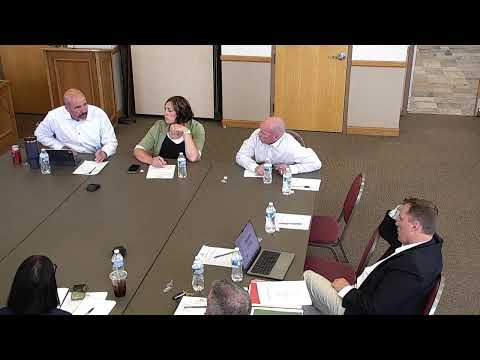
At a June 16, 2020 study session the Wasatch County School Board received a detailed FY26 budget briefing that highlighted personnel costs tied to teacher pay increases and the impending opening of a second high school.
Business Administrator Jason Watt said the district expects roughly an $11 million increase in general‑fund expenditures for FY26, with nearly all of that growth tied to salaries and benefits. "Most of that is salaries and benefits," Watt said. "About $11 million about from in the general fund expenditures. Most of that is salaries and benefits. About 5 million of that is raises." He said the remainder reflects additional personnel and operating costs for a second high school, including busing, custodial, utilities and extra activity‑trip costs.
Watt told the board the district plans to cover the new high‑school costs without asking the community for additional revenue via a truth‑in‑taxation request; those expenditures were anticipated in prior planning. Board members said the increases reflect community priorities for two comprehensive high schools and retention of high‑quality teachers.
Officials also flagged a food‑service fund shortfall: the district projects an approximately $800,000 transfer from the general fund into food service in FY26 and has begun a study to identify revenue and expense solutions. Watt said staff are working with Food Service Director Darren Wilkins and others on proposals to reduce costs and increase programmatic revenue without eliminating jobs.
On staffing, administrators described hiring about eight and a half net new teaching positions across the two high schools (examples cited: ag mechanics/shop, TV broadcasting, drama, an additional band teacher, an additional art teacher and other course expansions), plus support hires such as a librarian, nurse, Hispanic liaison, athletic director, student‑resource officers, custodians and two maintenance positions. Watt said many current openings were filled from strong applicant pools, and principals reported the district had successfully hired for those roles.
Construction financing was also discussed: the board noted the district generated $150 million from lease‑revenue bonds while the primary construction contract with Westland Construction was roughly $169 million; officials said they expect to come in under the contract amount and to use interest earnings on bonds and capital funds to cover remaining costs.
Board members voiced concern about declining elementary enrollment and said officials are monitoring long‑term trends; administrators said kindergarten enrollment projections may rebound but that elementary declines could eventually affect middle‑ and high‑school numbers.
No formal budget adoption occurred during the study session; the board agreed to proceed with the public hearing that night and to consider formal action at a follow‑up meeting scheduled for June 29, 2020.