Get Full Government Meeting Transcripts, Videos, & Alerts Forever!
Get email alerts on the Corrections Budget topic
No spam. Unsubscribe anytime.
Sheriff and jail officials tell budget committee staffing improved but contingency money needed for possible boarding out
Summary
Franklin County jail officials reported fuller staffing, reduced overtime and added medical/mental‑health coverage funded partly by grants, but asked the committee to set aside a contingency (~$95,000) to cover potential out‑of‑county boarding if the jail must evacuate or limit operations.
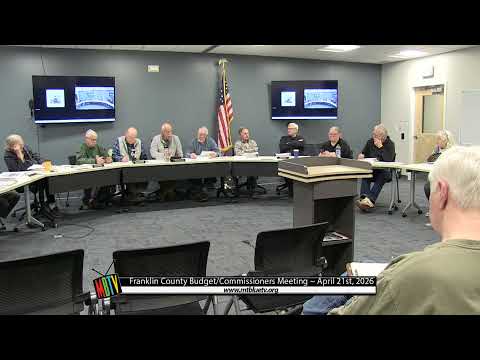
County correctional leadership told the April 17 budget committee that staffing levels have improved and that planned academy slots should complete a wave of certifications, but that operational risk remains.
A jail official said improved recruitment has reduced mandatory overtime and that the facility now plans to send six officers to state academy classes across the coming months so most positions will be certified. “Being fully staffed has already reduced overtime and improved morale,” the official said.
The jail asked the committee for a contingency line — about $95,000 — to cover the cost of boarding inmates at other facilities if the county must transfer residents during a prolonged facility outage or large maintenance project. Officials said boarding last year led to unexpected costs when neighbors' facilities had to absorb residents during an extended period, and that boarding invoices historically are charged at roughly $100 per inmate per day by partner counties.
Medical and mental‑health care contracts are rising. County leaders said the correctional health vendor (Alternative Correctional Health) has raised prices and that the jail is budgeting a larger professional‑services line for inmate medical/dental care. Grant funding (including Kosap/KOSAP‑type funds) has enabled expanded nursing hours and additional mental‑health clinic time in the jail, officials said, but county operating support would still be needed to absorb ongoing contractual increases.
The committee pressed for more detail on boarding agreements, contract renewal terms and past‑year invoicing. Officials said formal multi‑county capacity studies and broader regional collaborations have been discussed but that prior proposals stalled; they recommended pursuing grant opportunities (such as the Edward Byrne/JAG family of grants) to fund equipment upgrades that could reduce legal risk and transport costs.
Next steps: officials will provide the committee with contract renewal dates, historical boarding invoices and further justification for the contingency ask. Any use of contingency funds would be reported to the board and subject to county budget rules.