Get Full Government Meeting Transcripts, Videos, & Alerts Forever!
Get email alerts on the Recycling Epr topic
No spam. Unsubscribe anytime.
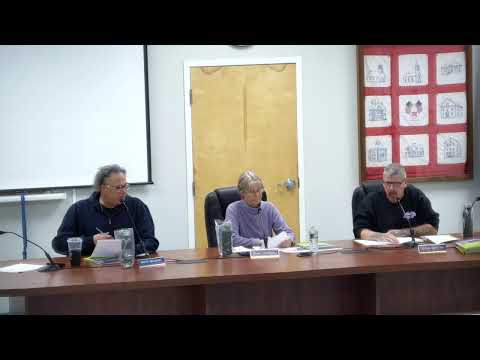
EcoMain tells Limington board EPR law could shift recycling costs to brands; town urged to boost curbside recycling
Summary
EcoMain executive director Kevin Roach told the Limington Select Board that Maine’s extended producer responsibility (EPR) law, active Jan. 1, 2026, will let towns seek reimbursement from a steward fund for packaging-related recycling costs — but towns must track costs and raise recycling rates (Limington’s reported rate: 5%).
Kevin Roach, executive director of EcoMain, told the Limington Select Board on Nov. 20 that Maine’s extended producer responsibility program will begin collecting brand fees Jan. 1, 2026, and municipalities must begin tracking recycling costs then to be eligible for reimbursement.
Roach, whose nonprofit serves 69 member communities, said the law “really should be more simply how to pay for recycling instead of EPR,” and he urged Limington to make recycling as convenient as trash to capture reimbursements tied to packaging. He told the board EcoMain processes about 35,000 tons of recyclables a year and operates a waste-to-energy facility that handles roughly 175,000 tons annually.
Why it matters: Roach said packaging (cardboard, plastic, metal and glass) now dominates recycling streams and that the new law shifts some of the cost burden from municipalities to the brands that produce packaging. He warned that initial 2026 tonnage costs will fall to towns and that reimbursements will come after reporting: municipalities should track costs beginning Jan. 1, 2026; filings about calendar-year 2026 costs will be submitted in 2027, with state reimbursements expected in October 2027.
Limington-specific figures and options: Roach told the board Limington currently recycles about 5% of its waste stream and showed scenarios where raising that to one-third could increase annual recoverable tonnage from roughly 79 tons to about 568 tons. “If you leave it in solid waste, you won’t be eligible,” Roach said, pressing that curbside collection and convenience are the clearest ways to raise participation. He added EcoMain will reimburse municipalities that document collection, processing and other eligible recycling costs.
Board discussion: Select board members pressed Roach for evidence of returns and asked how quickly reimbursement would offset new 2026 costs. Roach cautioned that jurisdictions such as Oregon are still in early years and that data on full program returns are not yet robust, but he said the stewardship model should encourage brands to package more recyclably and municipalities to invest in convenient programs. On timing he said the stewardship organization will collect fees beginning Jan. 1, 2026; municipalities should track costs that year and submit reports in 2027, with payments expected in October 2027.
Operational choices: The board discussed whether to seek curbside pickup, buy a town truck, expand transfer-station access or solicit new hauler bids. Roach said small towns face density challenges and often get better pricing from haulers that serve multiple towns, but he reiterated that convenience (household carts and curbside collection) is the most reliable way to raise the recycling rate.
EcoMain investments: Roach described a new materials recovery facility (MRF) EcoMain is building to increase sorting capacity (from about 15 to 25 tons per hour) and deploy optical sorters to speed separation. He noted EcoMain’s ISO 14001 and ISO 45001 certifications and a $2 million grant that funded multifamily recycling outreach.
Next steps: Roach offered to provide an electronic copy of EcoMain’s presentation and suggested the town begin tracking recyclables and related costs Jan. 1, 2026. He encouraged the board to gather hauler bids and explore curbside or dual-compartment collection trucks to improve convenience and capture more reimbursable tonnage.
Votes at a glance: The board approved the Nov. 13 meeting minutes and payroll warrants 104 and 105 and appropriations warrant 107 by motion and assent, and later agreed to adjourn at 8:26 p.m. (motions and seconds recorded in the meeting; formal roll-call votes were not recorded in the transcript).
What’s next: Board members scheduled follow-ups (collect hauler bids, examine transfer-station capacity, and track recycling costs beginning Jan. 1, 2026) and will consider outreach options to raise local participation.