Get Full Government Meeting Transcripts, Videos, & Alerts Forever!
Get email alerts on the Mass Gatherings Ordinance topic
No spam. Unsubscribe anytime.
Limington planning board debate over draft mass‑gatherings ordinance centers on bonds, enforcement and nuisance ice‑fishing derby
Summary
The Planning Board spent much of its Nov. 17 meeting reviewing a draft mass‑gatherings ordinance that would require a planning‑board conditional‑use permit and a select‑board event permit for gatherings of 300 or more; public commenters urged performance bonds and stronger enforcement after an ice‑fishing derby they described as leaving extensive trash and late‑night fireworks.
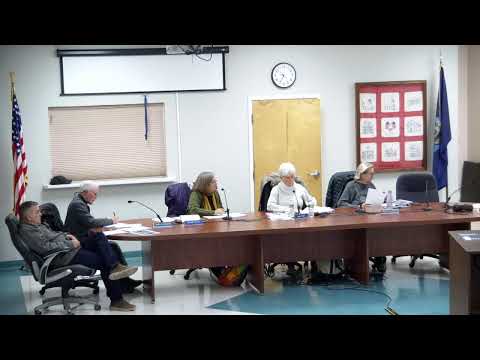
Limington’s Planning Board devoted the bulk of its Nov. 17 meeting to a section‑by‑section review of a draft mass‑gatherings ordinance that would require both a planning‑board conditional‑use permit and a select‑board event permit for gatherings that attract 300 or more people (the draft distinguishes minor gatherings of 300–999 and major gatherings of 1,000 or more).
Key elements in the draft include required notice and application copies, a 90‑day submission window for the planning process, a requirement that applicants post a performance guarantee (bond) to ensure cleanup and payment of public costs, sanitary and medical staffing standards (for example, one toilet per 150 attendees is specified), noise limits at property lines, and a prohibition on large outdoor events after 10 p.m. The draft also references state permitting for very large events (the draft cites state requirements for events of 2,000+ people lasting 12+ hours).
Much of the public comment focused on enforcement and abutter protection. Several residents described an annual ice‑fishing derby on a local lake that they said routinely leaves trash, illicit fires on the ice, noisy four‑wheel driving and, they alleged, fireworks set off at 3:00 a.m. ‘‘It is a disaster,’’ one resident said, urging the board to require bonds and cleanup standards. Jason Webster, a resident who said he had already consulted the town attorney, argued the performance bond should be sized to cover cleanup costs plus a margin — ‘‘basically what it would be to pick it up plus 15%,’’ he said — to protect abutters if the operator fails to clean the site.
Opponents and some board members warned the draft is imprecise in places and could burden ordinary private events (backyard weddings or family parties) if its wording is not tightened. Several speakers questioned the two‑board process (planning board plus select board), noting it duplicates some checks and could be cumbersome. Others raised enforcement concerns: Limington does not have a local constable and relies on county or state police for law enforcement, and speakers said that can complicate noise or safety enforcement, especially for events that occur outside business hours.
Board members and the public proposed specific edits: clarify that nonprofits and churches may have fees waived while still complying with standards; specify when the fire chief and other safety officials receive application materials; refine the ordinance language around the ‘‘intending to attract’’ threshold; specify start and end times for events, and move fee‑waiver language out of the definitions section and into a fees section. The planning board agreed to collect the suggested edits, send the draft to the town attorney for review, and prepare the version the select board will use for its event‑permit public hearing and any referendum timing.
What happens next: the board plans to revise the draft, obtain attorney review and present a version to the select board; the ordinance would be subject to a referendum vote (board members discussed the merits of November vs. March referendum timing). Residents who raised complaints at the Nov. 17 hearing were asked to provide contact information and any documentation (photos, contacts) to assist enforcement and review.