Get Full Government Meeting Transcripts, Videos, & Alerts Forever!
Get email alerts on the Property Tax topic
No spam. Unsubscribe anytime.
Dunwoody officials hold millage-rate hearing as residents press over rising assessments
Summary
At a June 15 public hearing, Dunwoody officials recommended keeping the city millage at 3.040 mills while residents raised concerns about higher property assessments and school-tax-driven increases; staff explained homestead exemptions, appeals and a new 3% cap on assessed-value growth beginning next tax cycle.
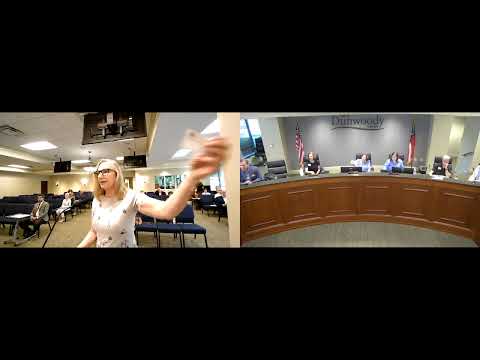
Dunwoody held the second of three public hearings on its proposed fiscal 2026 millage rate on June 15, with city staff recommending the city portion remain at 3.040 mills while residents pressed elected officials about rising assessed values and bigger property tax bills.
City staff said the proposed city rate would not increase city revenue for homesteaded properties and emphasized that roughly 80% of a typical homeowner’s tax bill goes to the school system rather than the city. “The city is not raising the millage rate. It will remain at 3.040,” staff told the council during the presentation.
The hearing drew residents who said their taxes have climbed steeply in recent years. “It seems like every year my taxes have increased since being here in Dunwoody,” resident Jazz Gray told the council, saying annual increases had become hard to bear. Evelyn Montgomery, another resident, said her townhome’s assessed value rose 14% and asked what recourse homeowners have other than appeals.
Mayor and staff responded that the city applies a long-standing homestead assessment freeze for city taxes to qualifying, primary residences, which limits the city portion of the bill for those homeowners. Officials said the increases many residents are seeing stem primarily from rising assessed values and school-system levies, which the city does not set. The mayor noted recent state legislation will cap year-over-year assessed-value growth at 3% beginning in the next tax cycle, which could limit future increases.
Staff also explained the technical difference between the assessment notice residents receive and the actual tax bill, and encouraged anyone who believes they lack a homestead exemption or other benefit to contact the city’s tax staff for review. The council scheduled a final vote on the millage rate for a special meeting on July 1.
The hearing is part of the statutorily required three-public-hearing process ahead of adoption; officials said they will return with final adoption language at the July 1 meeting.