Get Full Government Meeting Transcripts, Videos, & Alerts Forever!
Get email alerts on the Sewer Investigation topic
No spam. Unsubscribe anytime.
CBU to run dye and smoke tests after repeated backups near Cottage Grove
Summary
Staff and an engineering firm told the Utility Services Board they will run dye and industrial smoke tests to determine whether recent backups at Cottage Grove stem from storm-water connections or damaged laterals; residents there have reported seven backups in under a year.
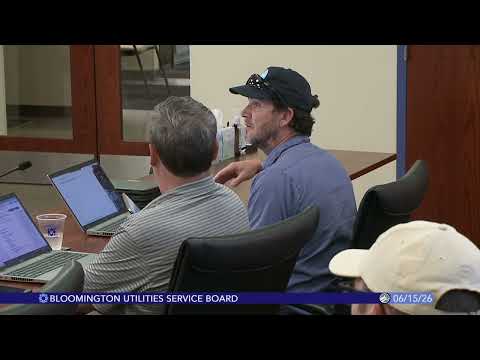
Representatives from engineering and CBU staff updated the Utility Services Board on an ongoing investigation into repeated sewer backups reported by residents on Cottage Grove.
An engineering presenter said televising of sewer mains and preliminary video review did not reveal an obvious problem, so staff plan to follow up with dye testing (in-home tracer dye) and smoke testing (industrial smoke blown through manholes) to determine whether stormwater is entering the sanitary system or whether a lateral was struck or altered. The presenter described a scenario where an added basement bathroom or a misconnected lateral could lead wastewater to a storm line rather than the sanitary main.
CBU staff said the homeowner’s plumber could snake a line roughly 150 feet but the camera inspection showed a lateral that appeared to run only a short distance to the house. The presenter said the former plumbing layout might have changed as the house was converted into multiple units, which could explain the recent spike in backups after many years without problems. “We want to see if that will indicate anything,” the presenter said of the dye test.
Staff explained how tests work: dye testing uses strong-colored tracer dye flushed in fixtures to see where it emerges in downstream manholes; smoke testing uses industrial-strength smoke and a fan placed over a manhole to force smoke up lines, revealing external relief points (vents, downspouts, gutters or yard cleanouts). Staff warned visibility can be limited in deep manholes and described using flashlights and other tactics to confirm results.
The board expressed appreciation for the follow-up; no formal action was taken, and staff said they will continue the investigative tests and report findings to the customer and the board when available.