Get Full Government Meeting Transcripts, Videos, & Alerts Forever!
Get email alerts on the Comprehensive Plan topic
No spam. Unsubscribe anytime.
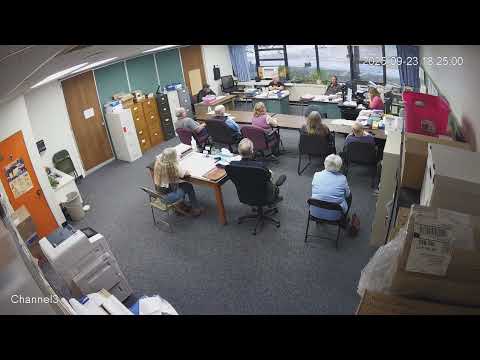
Planning board debates how many printed copies of new comprehensive plan to order
Summary
At a recent planning board meeting, members discussed ordering printed copies of the new comprehensive plan, whether to rely on the online version, and how the plan should inform future ordinances. They also noted a drop in taxable personal property and reviewed a new resources map.
At a regularly scheduled planning board meeting, members discussed distribution and use of the town’s newly completed comprehensive plan, debating how many printed copies to order and how the plan should be used when drafting or amending ordinances.
The board focused on two practical questions: how many physical copies to print for committee members and town offices, and whether to rely primarily on the online version. One planning board member, Joe, said the board "should have copies and anybody who might come on to the planning board in the next 10 years," arguing for keeping hard copies available for current and future members. Several members said the last plan set a practical minimum of about 20 copies for committee members, selectmen and town distribution, while others questioned the expense and suggested ordering only a small number or relying on the online version.
Members described the comprehensive plan as a reference document to be checked when considering new ordinances or major proposals — for example, proposals for town water or sewer systems — and discussed the plan’s practical effect on zoning and ordinance decisions. One attendee said that elsewhere the plan was used both as a guide and as a basis to block proposals, noting that municipalities sometimes return repeatedly to their comprehensive plans during policy fights.
Board members also raised logistics and cost: an estimate mentioned roughly $40 per printed plan and a historical minimum order of 20 copies, with one suggestion to print an extra 10 copies now rather than reprint later. Several members emphasized that making the plan available online reduces printing needs, but others stressed that board members often keep personal copies and that earlier editions have been hard to locate when needed.
Separately, the board briefly reviewed fiscal items and a resources map. A member noted a roughly 10-cent reduction in the mil rate compared with the prior year and that taxable personal property values had fallen noticeably; members asked staff to clarify why those numbers vary year to year. The board also discussed a newly distributed resources map (some members said they had not received the emailed attachment) and one member offered to resend the map with recommended changes.
Before moving to other agenda items, the chair announced the meeting would enter an executive session to consult legal counsel. There was no recorded vote or formal motion to adopt a printing order during the public portion of the meeting; members discussed options and logistics and indicated staff would follow up on distribution, cost estimates and resending the map attachment.