Get Full Government Meeting Transcripts, Videos, & Alerts Forever!
Get email alerts on the Water Meters topic
No spam. Unsubscribe anytime.
Cherry Valley council extends meter‑repair payment window as residents complain of high water bills
Summary
Council revised the water‑meter repair policy to allow 60 days to pay repair/replacement charges and asked the contractor to provide itemized damage reports. Multiple residents told the council they face unexpectedly high water and sewer bills and requested account histories and a review of the rate study.
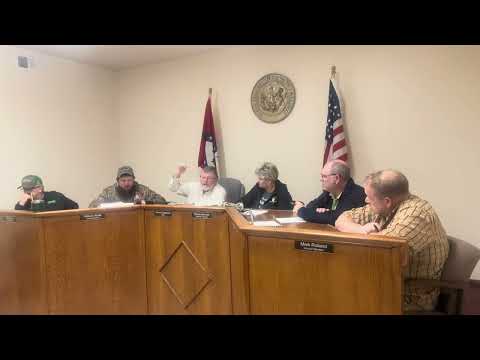
Mayor Ned Stevens and the Cherry Valley City Council voted to change the municipal water‑meter damage/repair payment timing after a lengthy discussion about meter costs and customer hardship.
At the Nov. meeting the council reviewed existing meter policy language enacted during a previous administration and considered vendor cost estimates for the meter system components (MXU, meter and cable). City staff said the contractor (AW) determines whether a meter issue requires repair or replacement and will provide an itemized invoice for each incident. Council members debated whether a $500 cap in the policy was appropriate and how to notify customers.
Council then moved to change the payment deadline for damage or replacement charges from 30 days to 60 days; the motion was seconded and approved by voice vote. The council directed staff to obtain monthly cost statements from AW so the city can itemize what was done before billing customers.
Residents at the meeting pressed the council for accountability on water and sewer charges. Vippy McCarol, who identified herself during public comment, said her household has seen bills soar and asked the city to provide a 12‑month usage history and an explanation for the jump. The clerk, Stacy, offered to print usage histories and review bills with residents and stated the city’s minimum water bill is $85 (for the first 1,000 gallons) and the excess charge is $23.50 per additional 1,000 gallons; she also reported the sewer component is now roughly equivalent to the water charge.
Council members told residents the city had commissioned a water‑rate survey and will arrange for the consultant who prepared the survey to meet with them once travel restrictions allow so the consultant can explain the methodology. The mayor said much of the increase is likely tied to the age of the system and unaccounted‑for water (e.g., washdown, field watering) but pledged to have staff and the consultant explain the numbers to residents.
The council also discussed technical clarifications to the meter policy (what constitutes owner damage, documentation/photo requirements and whether lids or underground work should be charged differently). Several members said the contractor’s written estimate or invoice should accompany any billing.
The council’s action: change repayment terms to 60 days and require AW to submit itemized damage reports monthly so the clerk can notify customers and bill accordingly. Staff will provide residents with account histories on request and schedule follow‑up with the water‑rate consultant.