Get Full Government Meeting Transcripts, Videos, & Alerts Forever!
Get email alerts on the Deconstruction Reuse topic
No spam. Unsubscribe anytime.
Geneva HPC hears field guide on 'deconstruction and reuse'
Summary
The Geneva Historic Preservation Commission received a five‑minute briefing on deconstruction and reuse, a careful dismantling approach that salvages historic materials for reuse and can boost local jobs and climate benefits, with resources and local examples cited.
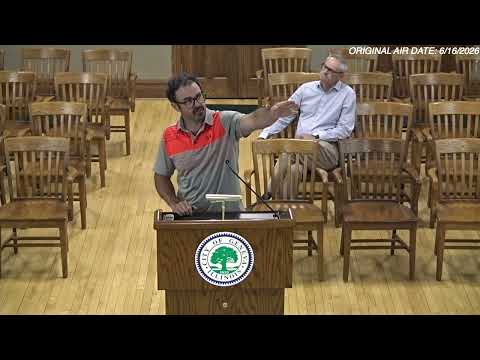
The Geneva Historic Preservation Commission heard a five‑minute field guide on June 16 explaining 'deconstruction and reuse' as an alternative to demolition that prioritizes salvaging historic building materials for reuse.
The presenter (identified in the record only as the five‑minute speaker) summarized deconstruction as the systematic dismantling of a structure "typically in the opposite order it was constructed" to maximize salvage of materials for reuse rather than recycling or landfill. The speaker cited Place Economics' 'Treasure in the Walls' work and pointed to examples such as Repurpose Savannah, Habitat for Humanity reuse stores, the Campaign for Historic Trades and Build Reuse as resources and models.
Commissioners asked clarifying questions about what deconstruction is and is not; the presenter noted it is not a preservation technique to keep a building intact but a last‑resort tool to recover materials when preservation options are exhausted. The briefing highlighted claimed benefits including carbon savings from reusing materials, higher local job creation compared with conventional demolition, and stricter hazardous‑materials abatement that often accompanies reuse projects.
The presenter recommended community resources and ordinances used in other jurisdictions and encouraged attendees to consult Place Economics and local reuse networks for further guidance. The commission did not take action; the briefing was provided as informational material for future consideration.