Get Full Government Meeting Transcripts, Videos, & Alerts Forever!
Get email alerts on the Transportation Infrastructure topic
No spam. Unsubscribe anytime.
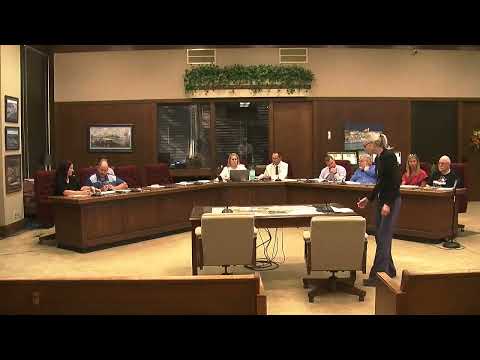
Batesville council acknowledges likely prescriptive easement, will continue maintaining small paved leg at Quail Valley/Whipper Wheel
Summary
After hearing safety and title concerns from a nearby property owner, the council voted to acknowledge a likely prescriptive easement for a short paved leg at the Quail Valley/Whipper Wheel intersection and directed staff to explore tax-record and title options while continuing city maintenance.
Batesville city officials moved on Tuesday to acknowledge that a short paved leg near the Quail Valley Drive and Whipper Wheel intersection likely carries a prescriptive easement and that the city will continue maintaining the area while legal and title options are explored.
City Engineer Damon Johnson told the council the strip in question is not a platted street and that crews had placed barricades to test whether emergency and sanitation vehicles could pass. "Fire trucks and sanitation trucks aren't supposed to cross that bridge; it's not weight rated," Johnson said, explaining that apparatus currently must route onto Thunderbird and make multi-point turns to reach some residences.
Property owner Miss Twiford, who bought her lot in 1999, asked the council to clarify whether the paved strip is private or city-maintained and said the uncertainty affects resale prospects and day-to-day safety concerns. "I would just like to get that all straightened out," she said, describing near-miss incidents involving a pet and expressing concern about title questions for future buyers.
City Attorney Tim Minon briefed the council on the legal issues and said continued city maintenance and long-term public use can give rise to a prescriptive easement (adverse possession). "It's been there over seven years; at that point we've got an easement by prescription or adverse possession," Minon said, adding that neighboring property owners who have relied on the route could assert similar claims.
After discussion about alternatives — reopening or closing the leg, improving the other intersection, or enlarging a turning radius by removing a tree — a council member moved and the body seconded a motion to acknowledge the likely prescriptive easement and to keep maintaining the paved area while staff follows up on title and tax-record remedies. The motion was voted on electronically; individual roll-call votes were not specified in the transcript and the council recorded the motion as approved.
Council directed the city attorney and city engineer to explore options including negotiating with the property owner, measuring and documenting the parcel for tax records, and evaluating whether the city could acquire or otherwise adjust the property record. Engineer Damon Johnson estimated offhand that physically improving the turning radius within the existing right-of-way could cost "probably $8,000–$10,000" for paving, gravel and labor, but said staff would prepare a formal cost estimate if the council wished to pursue construction.
The council emphasized that acknowledging a prescriptive easement does not foreclose private legal actions: neighboring landowners who have used the way could still pursue claims, and a court could ultimately resolve competing rights. The motion was framed as the city's recognition of the likely status and as an authorization to continue maintenance while pursuing administrative remedies and further study.
Next steps the council identified include staff measuring the triangular area for records, discussing whether the paved strip could be removed from the property owner's tax record, and exploring a potential sale or formal agreement with the owner. The council did not adopt any immediate construction plan or require removal of the pavement at this meeting.