Get Full Government Meeting Transcripts, Videos, & Alerts Forever!
Get email alerts on the Early Childhood topic
No spam. Unsubscribe anytime.
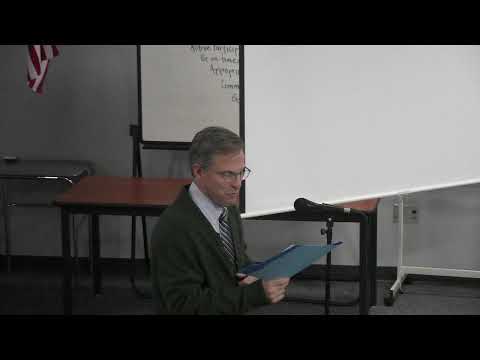
Board weighs state grant and survey results as it explores full‑day pre‑K expansion
Summary
Superintendent told the RSU 35/MSAD 35 board the district applied for a non‑committal state Pre‑K expansion grant that would fund three educational technicians (~$140,000) and a parent bus‑tracking tool. Staff reported strong survey support for full‑day pre‑K but flagged space, staffing ratios and revenue uncertainties.
The RSU 35/MSAD 35 superintendent told the school board the district has applied for a non‑committal state Pre‑K expansion grant that would cover three educational technicians for roughly $140,000 for one year and would pay for a parent bus‑tracking system intended to improve safety and logistics for pre‑K families.
The superintendent said the grant would allow the district to "stage in" expanded services while the board continues to study capacity and cost implications. Staff reported 359 survey responses in about three days; among respondents who expect a pre‑K‑eligible child next year, 87% said they would prefer a full‑day program and an overall 83% of respondents signaled support for full‑day pre‑K.
Board members and administrators cautioned that facilities and staffing are the primary constraints. Central School was described as largely full; Elliott Elementary has more space, but shifting students between buildings raises equity and transportation questions. The discussion flagged state staffing ratios for early childhood programs as a significant budgetary driver: the board said current guidance cites a 16:2 ratio (often explained as an 8:1 model in practice), and that exceeding planned enrollment could legally require hiring another teacher at roughly $85,000.
Staff noted other budget and program variables that will affect any decision: the state smooths enrollment for subsidy calculations over two years (but not for pre‑K), English‑learner counts have risen (from 3–4 to 7 in the certified count), and special‑education identifications have increased. Those changes would add to state subsidy in some categories but also could increase the need for specialized services covered by different funding streams.
The superintendent proposed forming a working group that would include board members, child‑care providers and teachers to test feasibility and develop a financial model. He suggested a hybrid approach — offering full‑day and half‑day pre‑K options — to manage space and staffing while seeking to remain student‑neutral for revenue implications. The board agreed to continue investigating the proposal and to return with more detailed cost, capacity and community‑engagement results before any formal vote.
Next steps announced included further analysis of capacity and staffing, meetings with local child‑care providers, and awaiting news on the state grant decision expected within roughly a month.