Get Full Government Meeting Transcripts, Videos, & Alerts Forever!
Get email alerts on the Municipal Budget topic
No spam. Unsubscribe anytime.
Sayreville council trims proposed tax increase, debates layoffs as amendment stalls
Summary
Councilwoman Mary Novak said staff reduced the proposed tax increase from about 16.4 cents to below 15 cents by using anticipated revenues and reserve draws; councilmembers warned further cuts would force layoffs or service reductions, and Novak’s motion to approve an amendment received no recorded second or vote at the special meeting.
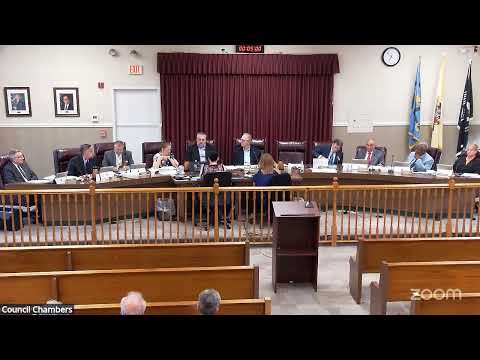
Councilwoman Mary Novak, chair of the finance committee and serving as mayoral chair for the session, opened a special budget workshop and described staff efforts that she said cut the proposed tax increase from roughly 16.4 cents to under 15 cents by using anticipated revenues and a reserve draw.
"Danielle and Glenn were able to bring it down, like I said, almost another two cents without affecting any services at all," Novak said, urging colleagues to indicate whether they would support approving the amended budget.
Finance staff (Danielle) outlined the specific revenue adjustments that contributed to the reduction: a $100,000 draw from the reserve for debt service, an additional anticipated $100,000 from delinquent tax collections and about $50,000 from another revenue source, which together reduced the need for a larger tax increase.
Councilmembers questioned whether deeper cuts could be made without harming services. Staff cautioned the budget had been pared "to the bone," saying further reductions would require scaling back programs or personnel. Staff described the likely order of layoffs if cuts were required—seasonal and temporary positions first—and noted that eliminating seasonal staff would reduce summer programs and child-care supports that about 300 families rely on.
Council members also raised the timing and limits of utility-rate changes. Staff said a change to sewer and water rates involves complex forecasting and class-rate calculations (residential, commercial and large industrial customers), and any revenue benefit from such ordinance changes would be phased in and would not materially affect the current fiscal year; the recommendation was to plan nominal increases over multiple years.
Novak said she would move to approve an amendment to the budget but repeatedly sought a seconder. "I will be making the motion to approve the amendment," she said, adding that residents expect the council to vote. Council members expressed reluctance to support the motion at the special meeting, citing concerns about service cuts, political timing in an election year, and the need for committee consensus.
The mayor opened the public portion of the hearing at about 6:45 p.m.; no members of the public spoke and the council closed the public portion. The special meeting concluded with scheduling agreements to hold further finance-committee meetings and a workshop before the next council meeting so the group could try to build a four-vote consensus. No final vote on Novak’s budget amendment was recorded during the special session.
Next steps: councilmembers scheduled follow-up committee work and at least one workshop in the coming weeks to revisit the amendment and attempt to develop a proposal with sufficient support to be placed for a formal vote at a future council meeting.