Get Full Government Meeting Transcripts, Videos, & Alerts Forever!
Get email alerts on the Landlord Waiver Trash Sidewalk topic
No spam. Unsubscribe anytime.
Residents and meeting participants question landlord sign waiver, trash pickup logistics and sidewalk contribution
Summary
At a town meeting, participants said a landlord is not following a comprehensive agreement and challenged a waiver letter that cited elderly residents’ difficulty hauling trash as justification; speakers also raised practical trash-collection and voluntary sidewalk-contribution concerns.
Participants at a town meeting raised a series of concerns about a landlord’s compliance with a comprehensive agreement and the rationale for a requested waiver that would allow additional signage and affect trash collection and sidewalks.
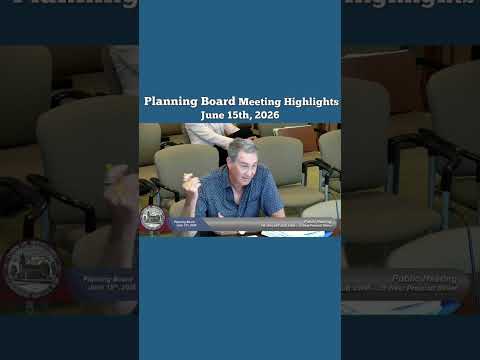
A committee member opened the discussion by saying the landlord has not followed the comprehensive agreement and argued the town should not grant additional sign space because “one individual decided not to comply,” calling unilateral marketing changes unacceptable. The same speaker said the town’s agreement exists “for a reason” and should be enforced rather than altered to accommodate a single property owner.
Another participant questioned language in the waiver letter that, the speaker said, reads: “Elderly will be less interested in living here because they have to drag their trash to the end of the street.” The participant said that reasoning “doesn’t make sense” and should not alone justify a waiver or change in policy.
A different speaker noted a practical complication: residents on Emery told them they cannot use a provided concrete pad because the trash and recycling company will not collect from that location. “That doesn’t work,” the speaker said, arguing that the waiver’s premise — that changing trash arrangements would make units more or less attractive — does not reflect current pickup logistics.
The group also discussed how new trash cans are labeled to face the street and said the town’s trash provider will not travel down certain roads, meaning bins must be placed on West Prescott Street for collection. One participant warned that this creates a real access problem for some households and undermines the waiver’s justification.
Participants questioned how a nearby A&I lot could already be constructed and carry a for-sale sign without an approved subdivision. Separately, a longtime Westwood resident and business owner said they did not expect neighbors to donate $2,500 to a voluntary sidewalk fund and expressed confusion over the fund’s purpose, saying the contribution would create an obstacle on West Prescott Street.
No formal motion or vote on the waiver, signage or sidewalk contribution is recorded in the transcript. The discussion identified enforcement and logistical gaps the town will need to clarify before deciding whether to grant the waiver or change sign or sidewalk policies.