Get Full Government Meeting Transcripts, Videos, & Alerts Forever!
Get email alerts on the Ordinance Update topic
No spam. Unsubscribe anytime.
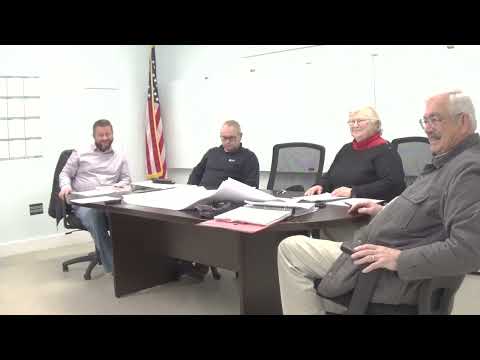
West Bath planning board weighs shortening public-notice window, Chapter 1000 language and food-truck rules
Summary
Board members debated shortening the town's 22-day filing/notice requirement (possible reduction to ~15 days), agreed to consult the town attorney and administrator Julie on legal requirements for online publication, and asked for planner Max’s notes to begin drafting changes to nonconforming-structure language and food-truck rules.
Members of the West Bath Planning Board spent a substantial portion of the April 8 meeting discussing procedural changes to the town’s ordinance and public-notice practices. Board members raised concerns that the current 22-day filing and notice period is lengthy for simple change-of-use or minor administrative items and explored options to shorten the window while preserving adequate public notice and member review time.
A planning board member noted the practical difficulty for applicants if they had to wait multiple weeks to appear and suggested cutting the lead time to about 15 days. The board discussed whether posting on the town website, posting on public boards (the schoolhouse door and fire station sign) or using the Press Herald/Times Record online publication would satisfy legal-notice requirements. Members agreed to consult the town attorney and the administrator Julie to determine what form of publication is legally acceptable.
Board members also reviewed language in Chapter 1000 related to nonconforming structures and discussed the possibility of adopting similar provisions locally (for example, limiting expansions to a percentage or fixed square footage rather than the current 30% rule). Members asked staff to request planner Max’s notes and drafts so they could hold a workshop or, if necessary, a special meeting to advance ordinance language. The board additionally raised making rules for food trucks easier but acknowledged any change would require public hearings and likely action by the select persons.
Why this matters: Shortening filing windows or modernizing notice practices could speed approvals for local small businesses, but such changes may require legal review to ensure the town meets statutory notice obligations. Board members emphasized balancing faster processing for low-impact changes with transparency for residents.
Next steps: The board will request Max’s materials, consult the town attorney and administrator about notice requirements, and consider scheduling a workshop or special meeting to draft ordinance revisions.