Get Full Government Meeting Transcripts, Videos, & Alerts Forever!
Get email alerts on the Audit Procurement topic
No spam. Unsubscribe anytime.
Internal audit finds procedural purchasing gaps; town plans training and policy fixes
Summary
An internal audit of New Canaan's procure-to-pay processes found nine mainly nonmaterial findings; town staff committed to policy cleanups, user-permissions changes and mandatory Tyler system training in FY27 and will track implementation.
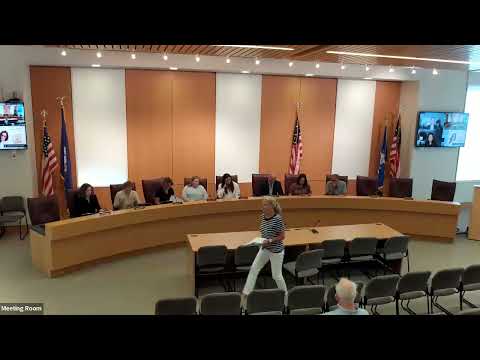
The New Canaan Town Council on June 17 heard an update from the internal audit subcommittee on a review of the town’s purchasing controls and procure-to-pay processes.
Bill Bradley, presenting the audit findings from CliftonLarsonAllen, said the report identified nine areas for improvement—mostly procedural shortcomings such as inconsistent policy language, user-permission settings, vendor management and documentation practices—but that nothing in the review rose to the level of an unusual or adverse finding. "This was actually not a bad report," Bradley said, adding that many corrective actions were already in progress.
Key items the audit and council discussed included: - Purchasing policy clarity: the 18‑page policy contained inconsistencies between narrative text and an accompanying table; the finance team will reconcile language and add explicit ethics/conflict-of-interest tracking and forms. - Purchase-card controls: the town consolidated purchase-card use in November 2024 to a shared card controlled by finance and maintains four limited emergency cards (fire, police, DPW, EMS) for night or urgent purchases. - System and training upgrades: the town is deploying more of the Tyler system (including an AP workflow and contracts module) and plans mandatory departmental training beginning in FY27 so departments can run reports and avoid scattered Excel workarounds.
Council members pressed for specifics on invoice tracking, turnaround timelines and the number of active purchase cards. Town staff said invoices are routed via departments and that once entered into the financial system they are tracked against vendor-specified payment terms; the shared purchase-card process requires sign-out at finance and return with receipts. One councilor asked whether the town would move away from any remaining cards; staff said emergency cards will remain but are infrequently used and would be inactivated if abused.
Bradley said the town provided management responses and target implementation timelines; the audit subcommittee will use a checklist to follow up on the changes and report back to council. The council thanked the audit team and staff for the work. The finance department will provide periodic updates on implementation status and timing.