Get Full Government Meeting Transcripts, Videos, & Alerts Forever!
Get email alerts on the Energy Infrastructure topic
No spam. Unsubscribe anytime.
Officials push pipelines, data centers and nuclear projects as routes to lower energy costs; seek local buy‑in
Summary
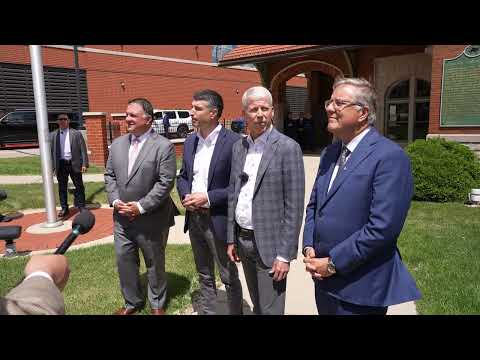
At a Lansing event, officials urged permitting reforms and local engagement to accelerate pipelines, data centers and nuclear restarts, arguing these investments will expand supply and reduce prices; the session also included discussion of long‑term spent‑fuel disposal and a proposed "nuclear life‑cycle" campus.
Federal and state officials at the Lansing event promoted expanding energy infrastructure — pipelines, data centers and nuclear projects — as ways to increase supply and lower consumer prices, while repeatedly stressing the need for local community input and permitting reforms.
On Line 5, reporters asked about reopening the contested northern pipeline corridor. Officials said the federal government favors building or repairing pipelines as the cheapest way to move fuels and blamed litigation and state‑level resistance for delaying projects that would add supply for the Upper Peninsula and beyond. One speaker in the transcript accused the state attorney general of obstructing progress.
Officials also described data centers as an economic tool that can blunt electricity‑price increases by bringing substantial investment and tax revenue. "They bring huge investments, tax revenues for communities, job opportunities," the secretary said, adding that data centers are important to U.S. leadership in artificial intelligence. Lawmakers at the event cautioned that local zoning and trust matter and that communities should be allowed to decide whether to host such developments.
The secretary addressed long‑term spent‑fuel disposal, saying the administration solicited proposals for a "nuclear life‑cycle innovation campus," received interest from 28 states and is pushing for voluntary local participation rather than imposing a site as in prior decades.
Why it matters: Infrastructure decisions involve state and local regulatory processes, litigation risk and local acceptance. Officials presented federal programs to accelerate projects but highlighted that community buy‑in is essential to avoid controversy and litigation.
Next steps: Officials suggested permitting reform and local engagement as priorities; no binding state approvals or federal statutory changes were announced during the event.