Get Full Government Meeting Transcripts, Videos, & Alerts Forever!
Get email alerts on the Traffic Calming topic
No spam. Unsubscribe anytime.
Board proposes two fixes for high‑crash Irving/High/Orange intersection; calls for community outreach and pilot
Summary
After staff presented crash data showing 37 right‑angle crashes within a 275‑ft radius of a local intersection since 2019, the Complete Streets board discussed two safety proposals — a one‑way conversion of a short Irving Street block and traffic splitters (right‑only exits) — and directed staff to hold on‑the‑street community meetings before deciding.
The Complete Streets Oversight Board reviewed detailed crash data for the intersection of Orange Road and High Street and considered two engineering options to reduce frequent right‑angle collisions and pedestrian risk.
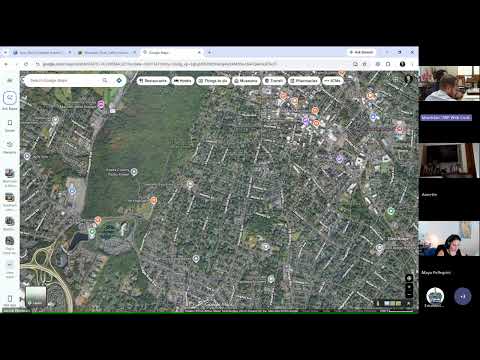
Staff presented collision data from 2019 through February 2026 showing 56 crashes in the 275‑foot study radius, 37 of them right‑angle collisions; staff said 91% of vehicles were traveling straight immediately prior to crashes, suggesting conflicts come from cross traffic and left‑turn movements. "This was matched with Sergeant Karen Dang's anecdotal report that essentially what is happening in most of these crashes is someone's trying to go from High Street across Orange Road and they're either hitting someone on Orange Road or someone on Orange Road is hitting them," the presenter said.
Two mitigation proposals were described: (1) convert a short block of Irving Street (one block between two local streets) to a one‑way exit only onto Orange Road, with signage and striping, to eliminate the cross‑movement generating conflicts; (2) install traffic splitters/triangles at Irving and High Street exits so drivers could only make right turns onto Orange Road, effectively preventing straight and left turns at the intersection.
Board members and public commenters raised concerns about travel impacts, school drop‑off patterns and rerouting that could lengthen trips if a one‑way conversion is imposed without community input. Several members said they opposed implementing the one‑way plan without additional data and resident outreach; others suggested piloting a traffic splitter or a temporary demonstration (painted/low‑cost installation) first. "I don't think we need to put all of our resources in one street and leave the others unchecked. Let's give it a chance and see," Mayor Baskerville said during debate.
The board directed staff to develop outreach plans, schedule on‑the‑street town halls and pilot options where feasible, and to bring back refined proposals with community feedback and any additional data analyses.
Why it matters: Right‑angle crashes are disproportionately dangerous for pedestrians and bicyclists; interventions that reduce cross‑traffic conflicts can significantly lower crash severity. The board emphasized testing and community engagement before making permanent geometry changes.
What’s next: Staff will schedule neighborhood engagement (town‑hall and door‑to‑door outreach), prepare pilot designs (temporary splitters/paint) and return with simulation/traffic‑pattern analysis and community feedback.